
Helpline: 99713-10122
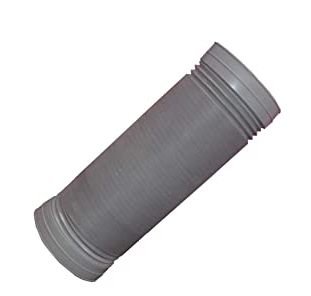
Chimney Plastic Pipe
Spare Details
-
Spare Type:
Flexible PVC Pipes, Rigid PVC Ducting, Expandable Polypropylene (PP) Pipes
-
Specification:
Diameter: 6 inches (150mm) & 5 inches (125mm), Length: 5 to 10 feet, Temperature Resistance: 60°C to 70°C
The Vital Link: A Comprehensive Guide to Chimney Plastic Pipes in Indian Kitchens
In the rapidly evolving urban landscape of India, the kitchen chimney has become a non-negotiable appliance. However, the efficiency of even the most powerful chimney in Mumbai or Bengaluru is entirely dependent on its exhaust system. The Chimney Plastic Pipe, often referred to as the ducting pipe, is the critical conduit that carries smoke, odors, and heavy grease from your stovetop to the outside environment. Choosing the right type and specification for this pipe is essential for maintaining the suction power of your appliance and ensuring the longevity of your kitchen interiors. We also deal in other home appliance spare parts like Chimneys, Hobs, RO systems, ACs, Fridges, Washing Machines, Microwaves, Dishwashers, Geysers, Coolers etc.
Why Plastic Pipes are Preferred in the Indian Climate
In many parts of India, especially coastal regions like Chennai or Kolkata, humidity and salt air can cause metal ducts to corrode over time. High-quality plastic pipes, specifically those made from PVC (Polyvinyl Chloride) or Flexible Polypropylene, have become the industry standard. They are lightweight, resistant to the chemical residues of Indian "masala" smoke, and far easier to install in the compact apartment layouts found in cities like Pune and Gurugram.
Key Technical Specifications for India
When purchasing or installing a chimney duct in India, you must adhere to specific technical parameters to prevent backpressure and noise:
-
Diameter: The most common specification for domestic chimneys in India is 6 inches (150mm). Some smaller or older models might use a 5-inch (125mm) pipe. Using a pipe with a smaller diameter than the chimney's outlet will significantly increase noise and reduce suction efficiency.
-
Length: For optimal performance in Indian homes, the pipe length should ideally be kept between 5 to 10 feet. Every "bend" or "elbow" in the pipe reduces suction power by approximately 10% to 15%.
-
Temperature Resistance: Since the air being exhausted is hot, especially during deep-frying, the pipe must be rated to withstand temperatures up to 60°C to 70°C without deforming or releasing odors.
-
Expandability: Most flexible plastic pipes in India are sold in a compressed format (approx. 3 to 4 feet) and can be expanded up to 10 or 15 feet.
Types of Chimney Pipes Available in India
Depending on your kitchen's aesthetics and structural constraints, you can choose from these primary types:
1. Flexible PVC Pipes
These are the most popular choice across India due to their versatility. They consist of a plastic film reinforced with a helical wire. They can be bent around corners and beams, making them ideal for the complex kitchen designs in Delhi or Hyderabad.
2. Rigid PVC Ducting
Used primarily in "concealed" ducting where the pipe is hidden behind a false ceiling or woodwork. These pipes have smooth internal walls, which minimize air friction and grease accumulation, offering the quietest operation.
3. Expandable Polypropylene (PP) Pipes
These are more robust than standard PVC. They offer better resistance to the high heat generated by heavy Indian cooking and are less likely to puncture or tear over time.
Maintenance and Installation in the Indian Context
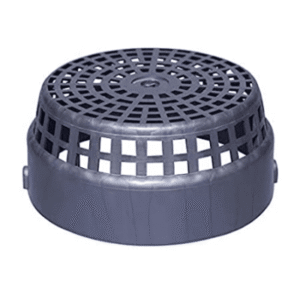
In India, the "external vent" of the pipe is often a target for birds or large insects. It is a vital specification to ensure your pipe terminates with a Cowls or a Gravity Louver shutter. This allows smoke to exit but prevents pests from entering the duct. Additionally, because Indian cooking involves high oil usage, grease can settle in the "valleys" of flexible pipes. It is recommended to inspect and clean or replace the pipe every 2 to 3 years to maintain hygiene and fire safety in your India home.
Frequently Asked Questions (FAQ)
Can I use a standard 4-inch drain pipe for my kitchen chimney? No. Most Indian chimneys require a 6-inch diameter for proper airflow. Using a narrower pipe will cause the motor to overheat and create a very loud whistling noise.
Which is better: Aluminum or Plastic pipes for an Indian kitchen? Aluminum pipes are more fire-resistant and handle higher heat, but they are noisier. Plastic (PVC/PP) pipes are quieter and more cost-effective. For standard domestic cooking in India, high-quality flexible plastic pipes are usually sufficient.
How do I clean the grease inside a flexible chimney pipe? Flexible pipes are difficult to clean internally due to their corrugated design. Given the low cost of these pipes in India, it is generally more hygienic and efficient to replace the pipe entirely if it becomes heavily clogged with grease.
Does a longer pipe reduce the suction of my chimney? Yes. The longer the pipe and the more bends it has, the harder the chimney motor has to work. In an India apartment, try to keep the exhaust path as straight and short as possible.
Why is my chimney pipe vibrating or making a flapping sound? This usually happens if the pipe is not secured tightly at the joints or if the external "bird guard" is loose. Use high-quality aluminum duct tape or industrial clamps to secure the connections in your kitchen.
Would you like me to suggest the best brand of flexible chimney pipes available in your specific city in India?
SparesMedia (store manager) –
The plastic pipe was small but according to my kitchen. thanks.