
Helpline: 99713-10122
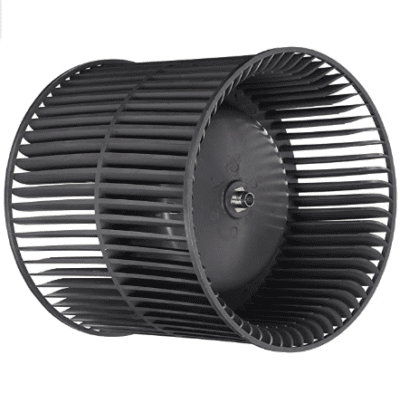
Chimney Blower
Spare Details
-
Spare Type:
Centrifugal Blowers (Squirrel Cage), Axial Fans, Dual-Blower Systems,
-
Specification:
Material: Metal, Plastic, Diameter and Width: Variable, Blade Design: Forward Curved or Centrifugal blades
The Engine of Suction: A Deep Dive into Kitchen Chimney Blowers
In the high-heat, spice-intensive environment of India, the kitchen chimney is an essential appliance for maintaining air quality. While the exterior housing and filters are visible, the real work is done by the Chimney Blower. Located deep within the chassis, the blower is the mechanical assembly responsible for creating the vacuum that pulls in smoke, oil, and steam. Whether you are in Mumbai or Delhi, understanding the engineering of your chimney’s blower is the key to ensuring a grease-free home. We also deal in other home appliance spare parts like Chimneys, Hobs, RO systems, ACs, Fridges, Washing Machines, Microwaves, Dishwashers, Geysers, Coolers etc.
The Role of the Blower in Ventilation
The blower is a fan-like component, often referred to as an "impeller," that is connected directly to the chimney motor. Its primary function is to convert the rotational energy of the motor into airflow. In the India context, where "Tadka" can release dense clouds of oil-laden smoke instantly, the blower must be balanced perfectly to move large volumes of air without creating excessive noise or vibration.
Key Technical Specifications for the Indian Market
To ensure your chimney performs optimally under the rigors of Indian cooking, you must pay attention to these technical parameters:
-
Material Construction: * Metal (Steel/Aluminum): Found in heavy-duty chimneys across India. Metal blowers are highly resistant to heat and do not warp over time.
-
Plastic (Flame-Retardant ABS): Used in "silent" models in Bengaluru or Hyderabad. These are quieter but require high-quality materials to resist oil-induced degradation.
-
-
Static Pressure: This measures the blower's ability to push air through ducting. In India, where ducting can have multiple bends to reach an external wall, a high static pressure blower is vital.
-
Diameter and Width: The size of the blower must match the motor capacity. Standard widths in the Indian market range from 180mm to 220mm.
-
Balancing: High-quality blowers are "Dynamically Balanced" at the factory. This ensures that the blower doesn't "wobble," which is the primary cause of chimney noise in many India households.
-
Blade Design: Most Indian chimneys use "Forward Curved" or "Centrifugal" blades, which are optimized for moving air at high pressure through filters.
Types of Chimney Blowers Available in India
The design of the blower determines how efficiently the smoke is expelled from your kitchen:
1. Centrifugal Blowers (Squirrel Cage)
These are the most common in the India market. The air enters the center of the blower and is thrown out at a 90-degree angle. They are exceptionally powerful and can pull air through thick baffle filters, making them perfect for kitchens in Kolkata or Chennai where heavy frying is common.
2. Axial Fans
Rarely used in high-end chimneys but found in budget exhaust systems. These move air parallel to the shaft. They are quieter but lack the "suction head" needed to clear dense smoke from a 4-burner stove.
3. Dual-Blower Systems
Some large 90cm chimneys in India feature two blowers side-by-side. This doubles the suction capacity, making them ideal for large open-plan kitchens in Gurugram or Pune.
Maintenance and Efficiency in Indian Conditions
The biggest challenge for a chimney blower in India is grease accumulation. Over months of cooking, oil droplets bypass the filters and settle on the blower blades. This added weight unbalances the blower, causing the motor to draw more current and making the chimney significantly louder. This is why "Auto-Clean" technology is so popular in India; it uses a heating element to melt the grease off the blower blades, ensuring they remain lightweight and efficient.
Frequently Asked Questions (FAQ)
Why is my chimney making a loud vibrating noise? In many India homes, this is due to an unbalanced blower. This happens if grease has accumulated unevenly on the blades or if a piece of debris has entered the housing. A professional cleaning usually solves this.
Are metal blowers better than plastic ones for Indian cooking? Metal blowers are generally more durable for the high-heat cooking styles of India. However, high-grade plastic blowers are preferred if you want a "silent" operation in your modern apartment.
What is the "suction capacity" related to the blower? Suction capacity (measured in m³/hr) is a result of the blower's size and the motor's speed. For an Indian kitchen, a blower providing 1200 m³/hr is considered the standard for efficiency.
Can I replace the blower without changing the motor? Yes. If the blower blades are chipped or broken, you can replace just the blower wheel. However, the new blower must be an exact match for the motor shaft diameter (Bore Size) used in your specific brand like Faber or Elica.
How often should a manual-clean blower be serviced in India? If your chimney does not have "Auto-Clean" technology, the internal blower should be professionally deep-cleaned every 6 to 8 months to remove stubborn oil buildup.
Would you like me to help you find the correct blower dimensions or replacement parts for your specific chimney brand in India?
SparesMedia (store manager) –
The 8mm standard blower motor saved my out-of-warranty chimney. It’s surprisingly quiet for a generic replacement