
Helpline: 99713-10122
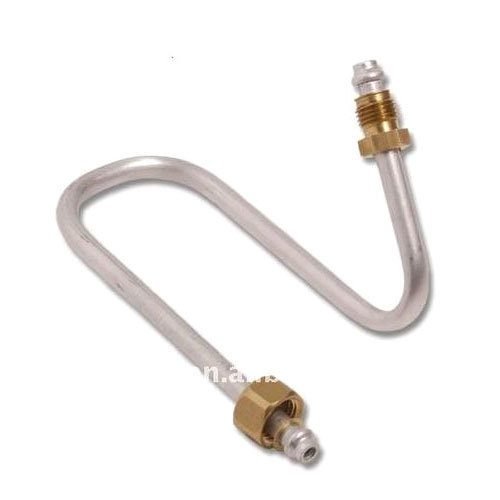
Hob Aluminum Bundy
Spare Details
-
Spare Type:
Pre-Bent Rigid Aluminum Tubes, Semi-Flexible Bundy Tubing, Flared-End Pipes
-
Specification:
Material Composition: Aluminum Alloy (often 1000 or 3000 series), Outside Diameter: 6mm to 10mm, Wall Thickness: 0.7mm and 1.2mm.
The Lifeline of Your Kitchen: A Comprehensive Guide to Hob Aluminum Bundy Pipes in India
In the modern India kitchen, the built-in hob has become a symbol of both style and high-performance cooking. While the exterior aesthetics often get all the attention, the safety and efficiency of the appliance are managed by a critical internal component: the Hob Aluminum Bundy Pipe. Also known as a "Bundy Tube" or connector pipe, this component is the flexible yet sturdy conduit that delivers gas from the main internal manifold to the individual burner valves. In cities like Mumbai, Delhi, and Bengaluru, where modular kitchens are the norm, the quality of this pipe is non-negotiable for ensuring a leak-proof cooking environment. We also deal in other home appliance spare parts like Chimneys, Hobs, RO systems, ACs, Fridges, Washing Machines, Microwaves, Dishwashers, Geysers, Coolers etc.
What is an Aluminum Bundy Pipe?
A Bundy pipe is a specialized type of double-walled or reinforced tubing. While traditionally made of steel, the India market for premium hobs from brands like Faber, Elica, and Glen frequently utilizes Aluminum Bundy Pipes. Aluminum is preferred for this internal application because of its incredible ductility, which allows it to be bent into complex shapes to fit the tight confines of a hob chassis without kinking or cracking. In the high-heat conditions of an Indian kitchen, these pipes provide a reliable, corrosion-resistant path for gas.
Key Technical Specifications for the Indian Market
When evaluating the internal build quality of a hob in India, understanding these technical parameters is essential:
-
Material Composition: High-grade Aluminum Alloy (often 1000 or 3000 series). This ensures the pipe remains lightweight yet can withstand the internal pressures of LPG or PNG.
-
Outside Diameter (OD): Standard sizes for hob internals in India usually range from 6mm to 10mm, depending on whether it is a small auxiliary burner or a high-flame triple-ring burner.
-
Wall Thickness: Typically ranges between 0.7mm and 1.2mm. This thickness is a critical specification as it balances the need for flexibility with the requirement for puncture resistance.
-
Coating: Many aluminum bundy pipes in India are Anodized or feature a protective polymer coating. This is vital in coastal cities like Chennai or Kolkata to prevent the salt-laden air from corroding the metal.
-
Pressure Rating: These pipes are tested to handle pressures exceeding 5 bars, providing a massive safety buffer for standard Indian gas supplies.
Types of Aluminum Bundy Pipes Found in India
1. Pre-Bent Rigid Aluminum Tubes
These are factory-formed pipes designed for specific hob models. They are used in high-end hobs in Hyderabad or Pune where the internal layout is fixed. They offer the most secure connection but are specific to a single model.
2. Semi-Flexible Bundy Tubing
Commonly used in 3-burner and 4-burner hobs across India. This type allows for slight adjustments during installation or servicing. It is highly resistant to vibration, which is important for hobs located near heavy kitchen drawers.
3. Flared-End Pipes
These pipes feature "flared" or "compressed" ends that work with brass nuts to create a mechanical seal. In the India context, these are considered the safest as they do not rely on rubber hoses for internal connections.
Maintenance and Safety in Indian Conditions
In an India household, the "gas smell" is a common concern. While most people check the external regulator, the internal Aluminum Bundy Pipe connections can sometimes develop leaks if the appliance is moved roughly during kitchen renovations. For homeowners in Gurugram or Ahmedabad, it is recommended to have an annual "Internal Leak Test" using a gas detector or soap solution. Because aluminum is a softer metal, it is also important that technicians do not over-tighten the nuts, which could "strip" the pipe or cause a hairline fracture.
Frequently Asked Questions (FAQ)
Is aluminum better than copper for internal hob pipes in India? Aluminum is often preferred in modern hobs because it is more cost-effective and lighter than copper while offering excellent corrosion resistance. However, copper is still considered the "premium" choice in some high-end industrial-style hobs in India.
Can an Aluminum Bundy Pipe get blocked? It is rare, but in the India context, if a burner is used without a proper nozzle, soot can sometimes back up into the pipe. More commonly, "spiders" or insects can enter the pipe if the hob is left unused for long periods in a warehouse.
What should I do if my internal pipe is leaking? If you suspect a leak within your hob in your India home, turn off the main gas supply immediately. These pipes should never be "patched" with tape or glue; they must be replaced with an original factory part.
Are these pipes interchangeable between Elica and Hindware? No. The length, diameter, and "bend radius" of the aluminum bundy pipe are custom-engineered for each specific hob chassis. Always use brand-authorized spares in India.
How long do these aluminum pipes last? In a standard India kitchen environment, a well-manufactured aluminum bundy pipe can easily last 10 to 15 years, often outliving the other electronic components of the hob.
Would you like me to help you find a certified technician to inspect the internal gas lines of your hob in your city in India?
SparesMedia (store manager) –
The technician replaced my hob aluminum pipe is really so flexible to adjust in hob.