
Helpline: 99713-10122
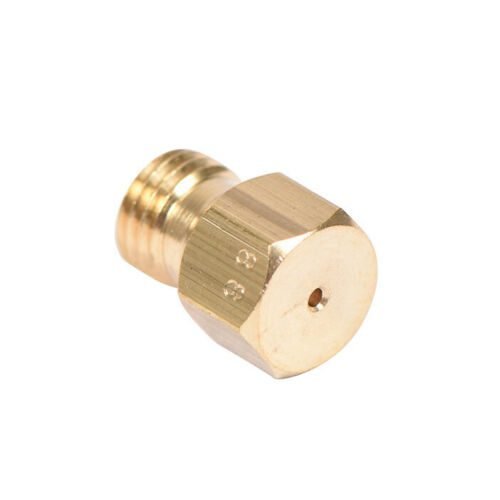
Hob Brass Jet
Spare Details
-
Spare Type:
Standard LPG Brass Jets, PNG Conversion Brass Jets, Side-Hole vs. Center-Hole Jets
-
Specification:
Orifice Diameter: Small Burner (0.5mm to 0.75mm), Medium Burner (0.8mm to 1.05mm), High Flame/Triple Ring Burner (1.1mm to 1.35mm), Gas Type Compatibility: LPG & PNG, Material: Brass
Precision Engineering: The Ultimate Guide to Hob Brass Jets in India
In the modern India kitchen, the built-in hob has become a symbol of culinary efficiency and design. While we often admire the high-quality glass and the tactile feel of the knobs, the true performance of the appliance is dictated by a microscopic component: the Hob Brass Jet. Often referred to as an injector or a nipple, this small part is responsible for the precise delivery of fuel to your burners. Whether you are in Mumbai, Delhi, or Bengaluru, ensuring your hob has the correct brass jet specification is essential for achieving the perfect blue flame and maintaining kitchen safety. We also deal in other home appliance spare parts like Chimneys, Hobs, RO systems, ACs, Fridges, Washing Machines, Microwaves, Dishwashers, Geysers, Coolers etc.
The Role of Brass in Gas Regulation
The jet is a small screw-like component with a precisely calibrated hole (orifice) in its center. In India, brass is the preferred material for these jets due to its exceptional thermal conductivity and resistance to corrosion. Since kitchen environments are often humid—especially in coastal cities like Chennai or Kolkata—brass ensures that the tiny orifice does not rust or clog over time. This material choice allows for a consistent flow of gas, ensuring that your "Tadka" or "Dum" cooking remains uninterrupted by flame fluctuations.
Key Technical Specifications for the Indian Market
When purchasing a hob or a conversion kit from brands like Faber, Elica, or Glen, the following specifications for the brass jet are critical:
-
Orifice Diameter: This is the size of the central hole, usually measured in millimeters. For the India market, sizes vary based on burner intensity:
-
Small Burner: 0.50mm to 0.75mm
-
Medium Burner: 0.80mm to 1.05mm
-
High-Flame/Triple Ring Burner: 1.10mm to 1.35mm
-
-
Gas Type Compatibility:
-
LPG (Liquefied Petroleum Gas): Standard cylinders in India operate at higher pressure, requiring jets with smaller orifices.
-
PNG (Piped Natural Gas): Piped gas in cities like Pune or Gurugram operates at lower pressure, requiring jets with larger orifices to achieve the same heat.
-
-
Thread Specification: Most brass jets in India use standard metric threads, typically M6 or M7. This ensures they can be screwed tightly into the gas valve without leaks.
-
Material Grade: High-tensile Brass (Grade CW617N or similar) is used to ensure the threads do not strip during installation or maintenance in an India household.
Types of Hob Brass Jets Found in India
1. Standard LPG Brass Jets
These are the most common jets found in domestic hobs across India. They are calibrated to handle the specific pressure of Indane, HP, or Bharat Gas cylinders, providing a sharp, high-velocity flame.
2. PNG Conversion Brass Jets
As more urban areas in Hyderabad and Noida move toward piped gas, these jets have become essential. They feature a wider opening to allow a greater volume of gas at lower pressure, preventing the flame from flickering or extinguishing.
3. Side-Hole vs. Center-Hole Jets
Depending on the burner design, some jets in India feature a single center hole, while others have auxiliary side holes to help mix air more effectively before the gas reaches the burner head.
Maintenance and Efficiency in Indian Homes
In an India kitchen, the most common issue with brass jets is clogging. During the preparation of milk-based sweets or deep-frying, oil and liquid spillovers can enter the burner and reach the jet. This leads to a yellow, sooty flame that blackens your vessels. For users in Ahmedabad or Chandigarh, it is recommended to have the jets cleaned by a professional once a year. A blocked jet doesn't just waste fuel; it can also cause "backfiring" sounds that are startling and potentially dangerous.
Frequently Asked Questions (FAQ)
Can I use LPG brass jets for a PNG connection in India? No. Using an LPG jet with PNG will result in an extremely weak and unusable flame. Conversely, using a PNG jet with an LPG cylinder is very dangerous as the flame will be massive and uncontrollable.
How do I clean a clogged hob brass jet? In your India kitchen, you can use a very fine copper wire to gently poke through the orifice. Never use a thick needle or a drill bit, as enlarging the hole even slightly will ruin the gas-to-air ratio and make the burner unsafe.
Why is my hob burner making a "popping" sound? This often happens if the brass jet is partially blocked or if it is loose in its housing. In the India context, this indicates that the gas is not mixing properly with the air. Tightening or cleaning the jet usually fixes this.
Are brass jets interchangeable between Elica and Faber hobs? While many use the same M6 thread, the orifice size and "head height" of the jet can vary. It is always best to buy a brand-specific brass jet kit for your specific model in India.
How long do brass jets typically last? A high-quality brass jet in a well-maintained India home can easily last 10 to 15 years. They only need replacement if they become irreparably clogged or if you change your gas type.
Would you like me to help you find the specific brass jet orifice sizes for your hob model or guide you on where to buy a PNG conversion kit in India?
SparesMedia (store manager) –
Moving to a piped gas connection required new nozzles. This conversion kit had the exact drill sizes needed to keep the flame heights consistent with the new gas pressure