
Helpline: 99713-10122
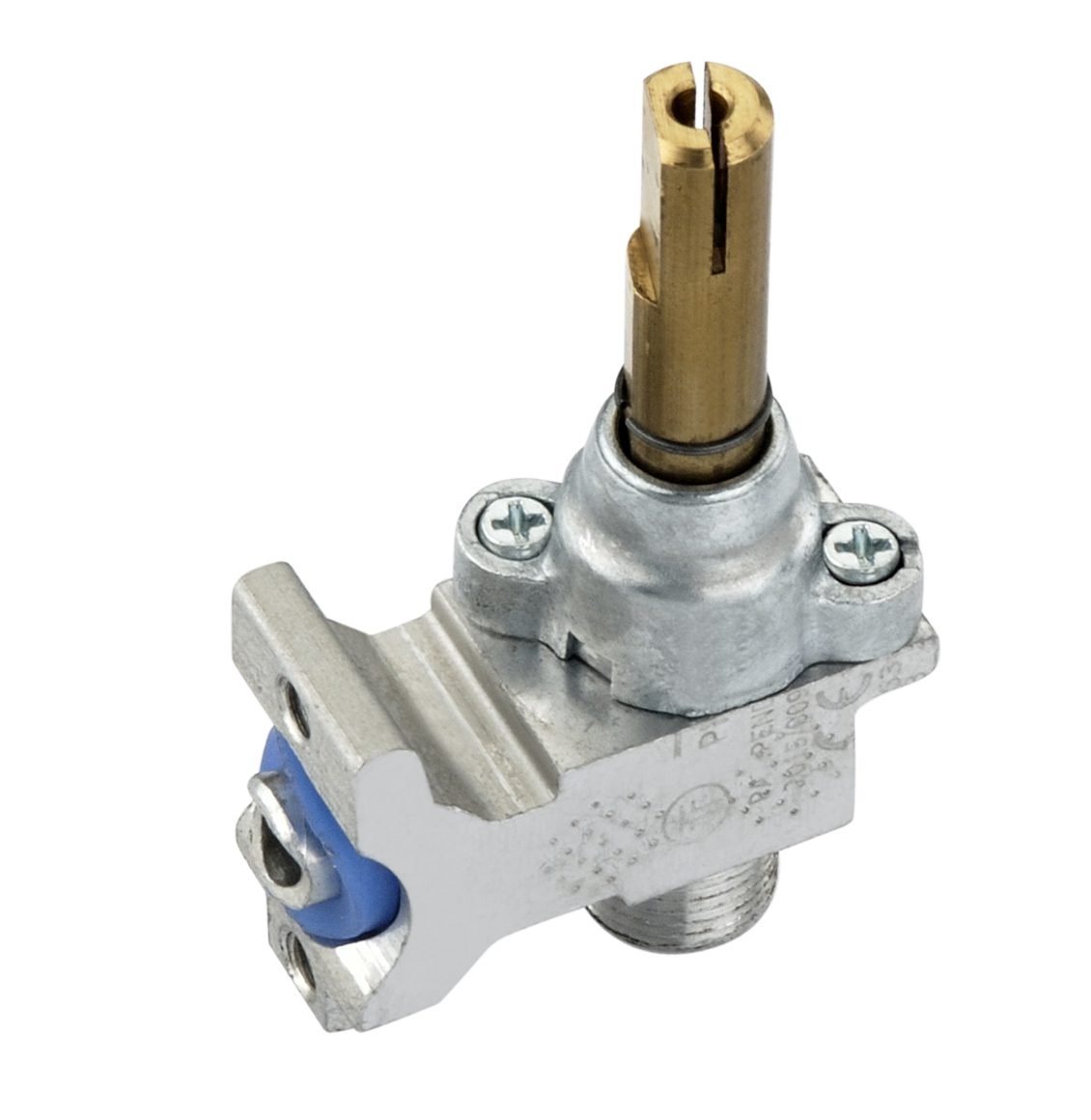
Hob Gas Valve
Spare Details
-
Spare Type:
Standard Manual Valves, FFD (Flame Failure Device) Valves, High-Output Triple Ring Valves, Micro-Switch Integrated Valves,
-
Specification:
Material: Extruded Brass or Aluminum Alloy, Pressure Compatibility: LPG (2.8 kPa to 3.0 kPa) or PNG (2.0 kPa), Rotation Angle: 180-degree or 210-degree.
The Precision Architect: A Complete Guide to Hob Gas Valves in India
In the modern India kitchen, the shift from traditional cooktops to sleek, built-in hobs has brought a new level of culinary control. While the brass burners and toughened glass are the most visible features, the safety and performance of the appliance are governed by a critical internal component: the Hob Gas Valve. This precision-engineered device is the primary regulator of gas flow, acting as the interface between the user’s hand and the flame. Whether you are simmering a delicate "Kheer" in Bengaluru or high-flame sautéing in Delhi, the gas valve ensures that the fuel is delivered with absolute accuracy and safety. We also deal in other home appliance spare parts like Chimneys, Hobs, RO systems, ACs, Fridges, Washing Machines, Microwaves, Dishwashers, Geysers, Coolers etc.
The Role of the Valve in Kitchen Safety
The gas valve is much more than a simple on-off switch. In the India context, where cooking involves varying heat intensities, the valve must provide a smooth, linear transition from the "SIM" setting to the "High" flame. Furthermore, modern hobs in Mumbai, Chennai, and Hyderabad are increasingly equipped with safety valves that incorporate Flame Failure Devices (FFD). These valves automatically shut off the gas supply if the flame is accidentally extinguished by a gust of wind or a liquid spill, preventing hazardous gas accumulation in the kitchen.
Key Technical Specifications for the Indian Market
When choosing a hob or seeking spares from brands like Faber, Elica, Glen, or Prestige, understanding these technical specifications is vital:
-
Material Construction: Most high-quality hob valves in India are made from Extruded Brass or Aluminum Alloy. Brass is preferred for its high melting point and resistance to the corrosive sulfur compounds found in some gas supplies.
-
Rotation Angle: Standard valves in India offer a 180-degree or 210-degree rotation. This wide angle allows for "Micro-Flame" control, essential for slow-cooking Indian recipes.
-
Inlet/Outlet Diameter: The standard inlet size for most manifolds in India is 8mm to 10mm, ensuring a consistent flow rate for high-wattage burners.
-
Pressure Compatibility: The valves are calibrated to handle LPG (2.8 kPa to 3.0 kPa) or PNG (2.0 kPa), depending on the nozzles attached.
-
Spindle Material: The rotating "stem" or spindle is usually made of reinforced steel to prevent stripping of the threads when the knobs are turned repeatedly in a busy India household.
Types of Hob Gas Valves Found in India
1. Standard Manual Valves
These are the most common valves found in budget and mid-range hobs across India. They are simple, robust, and offer reliable mechanical control. They do not have integrated safety sensors but are highly durable and easy to service.
2. FFD (Flame Failure Device) Valves
These are safety-first valves increasingly mandatory in high-rise apartments in Gurugram and Pune. They feature a thermocouple sensor that must be heated by the flame to keep the valve open. If the flame goes out, the sensor cools, and a spring-loaded seal shuts the gas flow instantly.
3. High-Output Triple Ring Valves
Specifically designed for the "Triple Ring" or "Multi-Flame" burners popular in India. These valves have a larger internal "Galleria" or passage to allow a higher volume of gas, supporting the intense heat required for heavy "Kadhai" cooking.
4. Micro-Switch Integrated Valves
Common in "Auto-Ignition" hobs in Bengaluru and Kolkata. These valves have a small plastic micro-switch mounted on the spindle. When the knob is pressed, the switch sends a signal to the ignition generator to start the "tick-tick" spark.
Maintenance and Troubleshooting in Indian Conditions
In an India kitchen, the primary enemy of the gas valve is "Grease Seepage." Over years of use, vaporized oil can settle on the valve spindle, making the knob difficult to turn or causing it to get "stuck." In coastal cities like Kochi or Mumbai, humidity can cause the internal lubrication (grease) to dry out.
If your hob knob feels "hard" to turn or if the flame is not reaching the "SIM" level correctly in your Hyderabad or Ahmedabad home, it usually indicates that the valve needs professional lubrication with specialized "Graphite Grease" or replacement.
Frequently Asked Questions (FAQ)
Why is my hob knob not staying in the "on" position after I release it? This is common in hobs with FFD valves in India. It usually means the thermocouple is not being heated enough or is faulty. Hold the knob down for 5 to 10 seconds after the flame starts to allow the valve to lock open.
Can I repair a leaking gas valve? It is strongly recommended to replace a leaking valve rather than attempting a repair. In the India market, the cost of a genuine replacement valve from Faber or Elica is a small price to pay for kitchen safety.
Are LPG and PNG valves different? The valve body itself is often the same, but the "Nozzle" or "Injector" attached to the outlet must be changed. In India, a conversion from LPG to PNG always involves adjusting or replacing the nozzles to match the fuel's pressure.
Why is there a "hissing" sound coming from the knob area? This indicates a leak at the "O-ring" or the interface between the valve and the manifold pipe. In your India kitchen, you should turn off the gas cylinder immediately and call a certified technician.
How long do hob gas valves typically last? A high-quality brass valve in an India home can easily last 8 to 12 years with regular maintenance and proper usage.
Would you like me to help you find the compatible valve type for your specific hob brand or locate an authorized service center in your city in India?
SparesMedia (store manager) –
The ‘Simmer’ setting on my old valve was non-existent. The new valve has a much smoother rotation and allows for a true low-flame setting for slow cooking.