
Helpline: 99713-10122
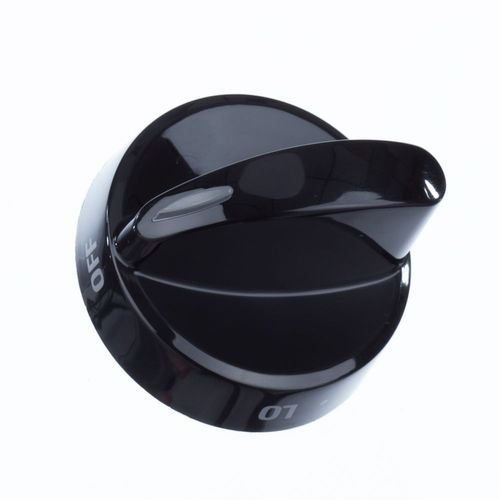
Hob Knob
Spare Details
-
Spare Type:
Top-Mounted Rotary Knobs, Front-Facing Knobs, Child-Lock (Push-Turn) Knobs, Soft-Touch Knobs
-
Specification:
Material Composition: Zinc Alloy (Metal), High-Grade Bakelite, Heat Resistance: Up to 150°C, Surface Finish: Brushed Steel, Matte Black, and Chrome Plating
The Dial of Culinary Control: A Comprehensive Guide to Hob Knobs in India
In the modern Indian kitchen, the built-in hob has transformed from a luxury to a functional centerpiece. Whether you are simmering a delicate saffron kheer in Mumbai or flash-frying chillies for a tadka in Delhi, the Hob Knob is the essential interface between the chef and the flame. Unlike standard gas stove switches, hob knobs are engineered for high-precision control, aesthetic integration, and heat resistance. In the India market, where heavy-duty cooking and high ambient temperatures are the norm, understanding the specifications of your hob knobs is vital for both safety and culinary finesse. We also deal in other home appliance spare parts like Chimneys, Hobs, RO systems, ACs, Fridges, Washing Machines, Microwaves, Dishwashers, Geysers, Coolers etc.
The Role of the Knob in Precision Cooking
The primary function of a hob knob is to manage the gas flow through the burner’s valve. Modern hobs from brands like Faber, Elica, Glen, and Bosch in India utilize "Multi-Flame" or "Brass Burner" technology, which requires the knob to have a wide range of rotation—often up to 270 degrees. This allows a home cook in Bengaluru or Hyderabad to achieve a true "Simmer" setting, which is critical for slow-cooking Indian gravies without burning them. Furthermore, most hob knobs in India are integrated with an "Auto-Ignition" feature, where pressing the knob down triggers an electric spark.
Key Technical Specifications for the Indian Market
To withstand the rigorous environment of an Indian kitchen, hob knobs must meet several technical benchmarks:
-
Material Composition:
-
Zinc Alloy (Metal): Found in premium hobs in cities like Gurugram or Pune. These are heavy, durable, and offer a "cool-touch" feel even during long cooking sessions.
-
High-Grade Bakelite: A heat-resistant thermosetting plastic used in many Indian households for its durability and non-conductive properties.
-
-
Shaft Diameter (Bore Size): The standard size for hob valves in India is typically 6mm or 8mm. The internal "D-cut" ensures the knob does not slip on the valve stem.
-
Spindle Direction: Most knobs are designed for "North-Facing" or "South-Facing" valve stems, ensuring the "Off" position remains consistent across the panel.
-
Heat Resistance: In cities like Chennai or Ahmedabad, the knobs are tested to withstand temperatures up to 150°C without deforming or losing their finish.
-
Surface Finish: Options include Brushed Steel, Matte Black, and Chrome Plating, often featuring a specialized coating to resist yellowing from turmeric and oil vapors.
Types of Hob Knobs Found in India
1. Top-Mounted Rotary Knobs
These are the most common type for built-in glass hobs across India. They are positioned on the top surface of the glass, requiring a watertight "O-ring" seal at the base to prevent liquids (like spilled milk or dal) from seeping into the internal gas valves.
2. Front-Facing Knobs
Often found in high-end "Professional" hobs in modern apartments in Noida or Mumbai. These are mounted on the vertical front edge of the hob, mimicking a commercial restaurant range. They keep the user's hands further away from the heat source.
3. Child-Lock (Push-Turn) Knobs
A vital safety feature in households with toddlers. These knobs require the user to press down firmly before they can be rotated. This prevents accidental gas leaks in homes in Bengaluru or Kolkata.
4. Soft-Touch Knobs
Found in ultra-premium hobs, these feature a rubberized or silicone outer ring. This provides a superior grip, even if the cook’s hands are oily—a common scenario in an Indian kitchen.
Maintenance and Troubleshooting in Indian Conditions
In India, the biggest enemies of the hob knob are Spilled Milk and Grease. When a pot overflows in a kitchen in Delhi or Mumbai, the liquid can enter the crevice between the knob and the glass. Over time, this creates a sticky residue that makes the knob hard to turn or prevents the "Auto-Ignition" from clicking back up.
Pro-Tip: Never spray water directly onto the knobs. Instead, remove the knobs (most are "push-fit") and clean them with a soft cloth dipped in warm soapy water. For the valve stem, a dry toothbrush can remove any carbon or grease buildup.
Frequently Asked Questions (FAQ)
Why is my hob knob stuck or hard to rotate? In most India homes, this is caused by grease or food particles clogging the valve stem. If a spill is not cleaned immediately in your Kolkata or Chennai kitchen, the residue hardens and jams the rotation.
Can I replace my plastic knobs with metal ones? Yes, provided the "Shaft Diameter" (usually 6mm or 8mm) matches your valve. Metal knobs are a popular upgrade in Mumbai and Delhi for their premium look and longer life.
Why does the ignition spark keep clicking even after I release the knob? This happens when moisture or a "sticky" residue gets trapped inside the knob assembly, preventing the spring from pushing the knob back to the neutral position. Cleaning the area usually solves this in your Bengaluru or Hyderabad home.
Are hob knobs interchangeable between brands? Generally, no. A knob from a Faber hob may not fit an Elica or Glen model due to different "D-cut" orientations or base diameters. Always match the brand and model number in India.
Where can I buy replacement hob knobs in India? You can find them at authorized brand showrooms or in specialized markets like Lamington Road in Mumbai, Chandni Chowk in Delhi, or Lohar Chawl.
Would you like me to help you identify the correct knob size for your specific hob brand or guide you on how to safely clean a jammed auto-ignition switch in your India home?
SparesMedia (store manager) –
The knob design and quality is perfect. It is metal knob. Recommendable.