
Helpline: 99713-10122
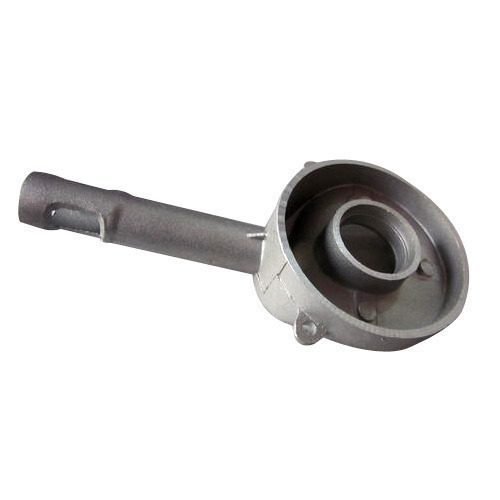
Hob Mixing Tube
Spare Details
-
Spare Type:
Straight Venturi Tubes, J-Shape (Curved) Mixing Tubes, Dual-Channel Mixing Tubes, Adjustable Air-Shutter Tubes
-
Specification:
Material Composition: Aluminum Die-Cast/ Cast Iron, Brass/Copper Alloys, Venturi Length: 100mm to 200mm, Inlet Diameter: 8mm or 10mm gas nozzles.
The Pulse of the Flame: A Comprehensive Guide to Hob Mixing Tubes in India
In the modern Indian kitchen, the built-in hob has revolutionized how we prepare everything from a quick breakfast in Mumbai to an elaborate dinner in Delhi. While we often admire the sleek glass top or the powerful brass burners, the real magic happens just beneath the surface in the Hob Mixing Tube. This critical component is responsible for the "Venturi Effect"—the process of mixing gas with the right amount of air to create that perfect blue flame. In a country like India, where cooking involves high heat and long durations, the efficiency of the mixing tube is what stands between a soot-free experience and a blackened vessel. We also deal in other home appliance spare parts like Chimneys, Hobs, RO systems, ACs, Fridges, Washing Machines, Microwaves, Dishwashers, Geysers, Coolers etc.
The Science of the Perfect Blue Flame
The primary function of a hob mixing tube is to act as a combustion chamber for air and fuel. Gas enters the tube through a tiny nozzle (jet). As the gas flows at high speed, it creates a vacuum that sucks in atmospheric air through specialized vents. In cities with high humidity like Chennai or Kolkata, the density of air can vary, making the design of this tube vital. A well-calibrated mixing tube ensures that the oxygen-to-fuel ratio is optimal, resulting in a clean, blue flame that maximizes heat output while minimizing gas wastage in your Bengaluru or Hyderabad home.
Key Technical Specifications for the Indian Market
To ensure safety and performance under the heavy-duty usage patterns of an Indian household, mixing tubes from brands like Faber, Elica, Glen, and Prestige adhere to these specifications:
-
Material Composition:
-
Aluminum Die-Cast: The most common material in India due to its excellent heat dissipation and rust-resistance.
-
Cast Iron: Found in heavy-duty hobs in Punjab or Haryana for superior durability and heat retention.
-
Brass/Copper Alloys: Used in premium, high-end hobs in Mumbai for maximum longevity.
-
-
Venturi Length: Typically ranges from 100mm to 200mm. The length is mathematically calculated to ensure the gas and air have enough time to mix before reaching the burner.
-
Inlet Diameter: Usually standardized to fit 8mm or 10mm gas nozzles.
-
Air-to-Gas Ratio: Designed to achieve a stoichiometric mixture, ensuring nearly 100% combustion efficiency.
-
Coating: Many tubes in India are finished with a heat-resistant powder coating to prevent corrosion from salt and spice vapors common in Indian cooking.
Types of Hob Mixing Tubes Found in India
1. Straight Venturi Tubes
The most common design found in standard hobs across India. The gas travels in a straight line from the nozzle to the burner. These are easy to clean and highly reliable for daily cooking in cities like Pune or Ahmedabad.
2. J-Shape (Curved) Mixing Tubes
Often used in compact or "Slim-line" hobs in modern apartments in Mumbai or Bengaluru. The curved design allows the burner to be positioned differently while still providing enough length for the air and gas to mix thoroughly.
3. Dual-Channel Mixing Tubes
Found in high-end "Double-Ring" or "Triple-Ring" burners in Gurugram and Noida. These tubes have two separate channels—one for the small inner flame and one for the powerful outer flame—allowing for the precise "Simmer" and "High-Heat" control required for Indian gravies.
4. Adjustable Air-Shutter Tubes
Common in older hobs or professional ranges in India. These feature a small metallic flap or "shutter" at the mouth of the tube, allowing a technician in Delhi or Chennai to manually adjust the air intake if the flame is turning yellow or orange.
Maintenance and Troubleshooting in Indian Conditions
In India, the biggest enemies of the hob mixing tube are Spilled Milk and Spiders. When liquids overflow in a kitchen in Kolkata or Mumbai, they can seep into the burner and down into the mixing tube, causing blockages. Additionally, small spiders are often attracted to the smell of gas and spin webs inside the tube in Bengaluru or Hyderabad homes, which disrupts the airflow and leads to a dangerous "pop" sound or a yellow flame.
Pro-Tip: If your hob is producing a yellow flame that blackens your pans, it is a sign of incomplete combustion. You can often fix this by cleaning the mixing tube with a flexible brush or a vacuum cleaner to remove any cobwebs or food debris.
Frequently Asked Questions (FAQ)
Why is my hob making a "hissing" or "popping" sound? In many India homes, this indicates that the air-gas mixture is incorrect. It could be due to a blockage in the mixing tube or a misaligned nozzle in your Delhi or Mumbai kitchen.
Can I replace a straight mixing tube with a J-shaped one? No. The mixing tube must match the internal chassis and burner design of your specific hob model. A mismatch can lead to gas leaks or very poor heating efficiency in your India home.
How often should I clean the mixing tube? In dusty cities like Jaipur or Delhi, it is a good habit to have your hob professionally serviced every 6 to 12 months. This ensures the mixing tubes are free of dust and grease.
Does a rusty mixing tube affect gas consumption? Yes. Rust can create turbulence inside the tube, disrupting the smooth flow of gas and air. This leads to wastage and higher gas bills in your Bengaluru or Chennai apartment.
Where can I buy a replacement mixing tube in India? It is best to contact authorized service centers for Faber, Elica, or Glen. For older models, you can find compatible parts in electronic hubs like Lamington Road in Mumbai or Chandni Chowk in Delhi.
Would you like me to help you identify the correct mixing tube type for your hob model or guide you through a safe DIY cleaning process for your burners in India?
SparesMedia (store manager) –
Finding a specific 92mm Mixing Tube for an older Glen hob was tough, but this replacement fits perfectly. The flame is blue and steady again—no more flickering or soot