
Helpline: 99713-10122
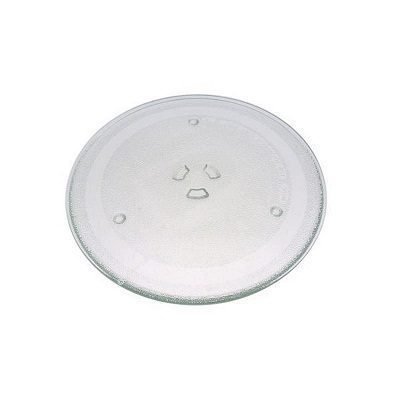
Microwave Glass Tray
Spare Details
-
Spare Type:
Standard Y-Type Clover Trays, Flat-Bottom Roller Trays, Heat-Resistant Convection Trays, Square Glass Platters
-
Specification:
Material Composition: Borosilicate Glass, Diameter: 20L to 23L: Usually 245mm to 270mm/ 25L to 32L: Usually 288mm to 315mm/ Large Convection Models: Up to 345mm, Base Interface (Drive Coupler): Y-Shaped (Clover)/ Flat Bottom
The Rotating Stage: A Comprehensive Guide to Microwave Glass Trays in India
In the mechanical operation of a microwave oven, the Microwave Glass Tray (also known as the turntable plate) is the most visible and vital accessory for achieving uniform results. In households across India, from the high-rises of Mumbai to the independent villas in Bengaluru, the glass tray is responsible for moving food through the "standing waves" of energy. Without this rotating stage, your "reheated curry" in Delhi or "steamed idlis" in Chennai would be boiling in one spot and ice-cold in another. In cities like Noida, Pune, and Hyderabad, where the microwave is a kitchen workhorse, understanding the specifications of this heavy-duty glass component is essential for both performance and safety. We also deal in other home appliance spare parts like Chimneys, Hobs, RO systems, ACs, Fridges, Washing Machines, Microwaves, Dishwashers, Geysers, Coolers etc.
The Engineering Logic: Thermal Shock and Even Distribution
The primary function of a microwave glass tray is to provide a stable, rotating platform that ensures even energy distribution. In a typical kitchen in Kolkata or Gurugram, the magnetron sends waves into the cavity at fixed points. The glass tray, driven by a motor and supported by a roller ring, carries the food through these focal points. Because these trays are subjected to rapid temperature changes—going from room temperature to boiling in seconds—they are engineered from specialized materials designed to resist "thermal shock," a common challenge in the varied climates of India.
Key Technical Specifications for the Indian Market
To handle the weight of heavy Indian ceramic bowls and the heat of long-duration convection cycles, glass trays from brands like Samsung, LG, Whirlpool, and IFB follow these specifications:
-
Material Composition:
-
Borosilicate Glass: High-quality trays in Mumbai and Delhi use tempered borosilicate glass, which can withstand temperatures up to 250°C and resists cracking during sudden cooling.
-
-
Diameter: Standard sizes in India are categorized by oven capacity:
-
20L to 23L: Usually 245mm to 270mm.
-
25L to 32L: Usually 288mm to 315mm.
-
Large Convection Models: Up to 345mm.
-
-
Base Interface (Drive Coupler):
-
Y-Shaped (Clover): The most common "three-notch" center found in Bengaluru and Noida.
-
Flat Bottom: Found in older models in Chennai or specialized "inverted" systems.
-
-
Texture: Features a "frosted" or "pebbled" underside to prevent the roller ring from slipping, ensuring smooth rotation in your Pune or Hyderabad kitchen.
-
Rim Design: Most feature a slight "lip" or raised edge to contain minor spills and prevent liquid from seeping into the motor shaft in Mumbai.
Types of Microwave Glass Trays Found in India
1. Standard Y-Type Clover Trays
The universal standard for modern microwaves in India. These feature three distinct grooves in the center that lock into the motor’s turntable coupler. They are widely available in markets in Delhi and Mumbai.
2. Flat-Bottom Roller Trays
Common in specific premium or older imported models in Bengaluru and Kolkata. These do not have center notches; instead, they rely entirely on the friction of the roller ring to turn.
3. Heat-Resistant Convection Trays
Found in high-end convection ovens in Noida and Gurugram. These are thicker and heavier to withstand the intense dry heat of the "Bake" or "Grill" modes used to make Indian snacks.
4. Square Glass Platters
Rarely found in specific high-capacity or industrial-grade ovens in Mumbai and Chennai. These do not rotate; instead, the microwave uses a "stirrer fan" to move the energy around the stationary tray.
Maintenance and Troubleshooting in Indian Conditions
In India, the biggest enemies of the microwave glass tray are Thermal Stress and Food Debris. In the spice-heavy environment of Delhi, Mumbai, or Chennai, oils and "masalas" can get trapped under the plate.
Pro-Tip: If you hear a "jerking" or "thumping" sound as the tray rotates in your Bengaluru or Noida home, it is likely that the roller ring is dirty or the tray is misaligned. In India, never put a cold glass tray directly into hot water or vice-versa; while tempered, extreme temperature jumps can still cause the glass to "shatter" in your Pune or Kolkata kitchen. Always ensure the "Clover" center is perfectly seated on the coupler. If the tray develops a small chip on the edge, replace it immediately. In the high-frequency environment of a microwave, a chip can act as a stress point, eventually leading to the tray exploding during a long cooking cycle in your Hyderabad or Chennai home.
Frequently Asked Questions (FAQ)
Can I use a microwave if the glass tray is cracked? No. A crack compromises the structural integrity of the tempered glass. The heat will cause the crack to expand, and the tray may shatter during use in your Mumbai or Delhi kitchen.
Are all microwave glass trays universal? No. Even if the diameter is the same, the center "clover" notch must match your motor coupler exactly. A mismatch will prevent the tray from rotating in your Bengaluru or Noida appliance.
Why did my glass tray shatter for no reason? In many India households, this is caused by "fatigue" from repeated thermal shock or a microscopic manufacturing defect. It can also happen if the tray was previously dropped or chipped in Chennai or Pune.
How do I clean a greasy glass tray? In Mumbai or Kolkata, soak the tray in warm water with vinegar or lemon juice to cut through the grease and remove "haldi" (turmeric) stains without using abrasive scrubbers that can scratch the glass.
Where can I buy a replacement glass tray in India? They are available at authorized service centers and major electronic spare parts hubs like Lamington Road in Mumbai, Chandni Chowk in Delhi, and Lohar Chawl.
Would you like me to help you measure your current tray to find the exact replacement size or suggest a way to deep-clean the roller tracks in your India home?

SparesMedia (store manager) –
Smashed my original plate. This universal 12.5-inch glass tray fits perfectly and is much thicker than the original.