
Helpline: 99713-10122
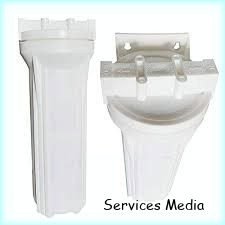
RO Spun Filter Housing
Spare Details
-
Spare Type:
Transparent Housing, Opaque (White/Blue), Double O-Ring Housing, Jumbo Housing
-
Specification:
Material Composition: Reinforced Polypropylene (PP)/ Polycarbonate (PC), Size/Length: 10 inches, Thread/Port Size: 1/4-inch or 3/8-inch NPT, Pressure Rating: 80 PSI to 125 PSI
The Protective Shell: A Comprehensive Guide to RO Spun Filter Housing in India
In the modern Indian kitchen, the water purifier is the silent guardian of health.1 While the internal RO membrane performs the molecular miracle of purification, it is the RO Spun Filter Housing that stands as the first physical barricade. This external chamber, usually mounted on the wall near the kitchen tap in Mumbai, Delhi, or Bengaluru, is designed to hold the spun or sediment filter that traps mud and sand. In cities like Hyderabad, Pune, and Chennai, where the "Input Water" often comes from a mix of municipal lines and deep borewells, the quality and specification of the housing are vital to prevent leaks and ensure the longevity of the entire purification system. We also deal in other home appliance spare parts like Chimneys, Hobs, RO systems, ACs, Fridges, Washing Machines, Microwaves, Dishwashers, Geysers, Coolers etc.
The Engineering Logic: Pressure Containment and Durability
The primary function of the RO spun filter housing is to provide a pressurized, watertight environment for the filtration media. In a typical home in Kolkata or Ahmedabad, water enters this housing at high pressure—sometimes exceeding 60 PSI in buildings with high-head pumps. The housing must be structurally sound to contain this pressure without cracking. Furthermore, in the humid and often corrosive environments of Indian coastal cities like Surat or Chennai, the material must be "food-grade" to ensure no chemicals leach into the water while resisting external impact and environmental stress.
Key Technical Specifications for the Indian Market
To handle the fluctuating water pressures and varied installation environments found in Noida, Gurugram, and Lucknow, high-quality filter housings follow these core specifications:
-
Material Composition:
-
Reinforced Polypropylene (PP): The standard for domestic use in Delhi and Mumbai, known for its high impact resistance and chemical stability.
-
Polycarbonate (PC): Used for transparent housings to provide clarity and strength.
-
-
Size/Length: Standard residential housings are 10 inches in length to accommodate the universal 10-inch spun filter cartridges used across India.
-
Thread/Port Size: Typically features 1/4-inch or 3/8-inch NPT (National Pipe Thread) inlet and outlet ports to match standard Indian RO tubing.
-
Pressure Rating: Rated for a working pressure of 80 PSI to 125 PSI, with burst pressures often tested at much higher levels to ensure safety in high-rise apartments in Bengaluru.
-
Sealing Mechanism: Utilizes a high-quality "EPDM Rubber O-Ring" to create a vacuum-tight seal between the head and the bowl.
-
Temperature Tolerance: Engineered to remain stable between 5°C and 45°C, covering the extreme seasonal shifts in North India.
Types of RO Spun Filter Housings Found in India
| Type | Material | Key Feature | Best Use Case |
| Transparent Housing | Polycarbonate | Visual inspection of dirt levels | Areas in Mumbai with visible silt |
| Opaque (White/Blue) | Reinforced PP | Resists Algae growth | Sunlit balconies in Chennai |
| Double O-Ring Housing | High-Grade PP | Leak-proof double sealing | High-pressure pumps in Delhi |
| Jumbo Housing | Reinforced Plastic | High-flow capacity (20 inches) | Main inlet lines in Bengaluru villas |
Maintenance and Troubleshooting in Indian Conditions
In India, the biggest threats to filter housing are Pressure Spikes and O-Ring Wear. In the high-rise societies of Noida or Pune, a sudden surge in water pressure can cause a low-quality housing to develop "hairline cracks," leading to expensive kitchen flooding.
Pro-Tip: If you see water dripping from the rim of the housing in your Hyderabad or Kolkata home, do not over-tighten it with a wrench. This often stretches the plastic threads. Instead, unscrew the housing, remove the rubber O-ring, and apply a thin layer of "Food-Grade Silicone Grease" or "Vaseline" to the ring. This keeps the rubber supple and ensures a perfect seal. In cities like Chennai where "hard water" is common, minerals can build up inside the housing; it is wise to wash the internal bowl with a soft brush and mild soap every time you change the spun filter in your Mumbai or Ahmedabad household.2
Frequently Asked Questions (FAQ)
Why should I choose an Opaque housing over a Transparent one?
In India, if your RO unit is near a window where it gets direct sunlight, transparent housings can allow "Algae" to grow inside, turning the filter green. Opaque housings in Delhi or Chennai prevent this by blocking UV light.
How often should I replace the housing itself?
While the filter inside is changed every 3 to 6 months, a high-quality housing in Bengaluru or Noida should be replaced every 3 to 5 years as the plastic can become brittle due to constant pressure cycles.
What is the "Wrench" used for?
The plastic wrench provided with your RO system in Pune or Hyderabad is designed specifically to grip the ridges of the housing bowl, allowing you to open it easily for filter changes without slipping.
Does a cracked housing indicate a manufacturer defect?
Not always. In many India homes, cracks are caused by "Water Hammer"—a sudden shockwave of pressure when a pump starts or a valve closes abruptly in Mumbai or Kolkata.
Where can I buy a replacement filter housing in India?
Genuine housings are available at authorized brand stores. For universal options, check local hubs like Tilak Nagar in Delhi, Lamington Road in Mumbai, or S.P. Road in Bengaluru.
Would you like me to help you identify the correct thread size for your current RO pipe or provide a guide on how to safely replace the O-ring in your filter housing in your India home?
SparesMedia (store manager) –
RO filter Housing I got is genuine at reasonable rates.