
Helpline: 99713-10122
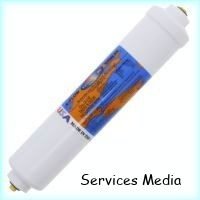
RO Carbon Filter
Spare Details
-
Spare Type:
Granular Activated Carbon (GAC) Filters, Carbon Block (CTO) Filters, Post-Carbon (Polishing) Filters, Silver-Impregnated Carbon Filters,
-
Specification:
Iodine Value: 900 mg per gram to 1100 mg per gram, Material Source: Coconut Shells, Micron Rating: between 5 microns and 10 microns, Chlorine Reduction Capacity: between 6000 and 10000 liters
The Chemical Sentinel: A Comprehensive Guide to RO Carbon Filters in India
In the rapidly evolving urban landscape of India in 2026, the quality of tap water continues to be a significant concern for health-conscious citizens. While the RO (Reverse Osmosis) membrane is often hailed as the star of the purification process, it has a vulnerable weakness: it is highly sensitive to chlorine and organic chemicals.1 This is where the RO Carbon Filter plays its critical role. In bustling cities like Delhi, Mumbai, and Bengaluru, these filters act as the chemical sentinel, protecting both the expensive membrane and the final taste of the water. Whether you are in Noida, Gurugram, or Hyderabad, understanding how activated carbon works is essential for anyone looking to maintain a high-performance water purification system. We also deal in other home appliance spare parts like Chimneys, Hobs, RO systems, ACs, Fridges, Washing Machines, Microwaves, Dishwashers, Geysers, Coolers etc.
The Science of Adsorption: How Carbon Works
Unlike physical filters that "sieve" out dirt, a carbon filter works through a process called adsorption.2 In this process, chemical impurities like chlorine, pesticides, and Volatile Organic Compounds (VOCs) are chemically trapped within the vast network of microscopic pores on the carbon's surface.3 In a typical household in Chennai or Kolkata, the water passes through billions of tiny tunnels inside the carbon particles. In India, where tap water is often heavily chlorinated to prevent bacterial growth during transit, the carbon filter is the only thing standing between that harsh chlorine and your delicate RO membrane.
Key Technical Specifications for the Indian Market
To handle the high chemical load and organic matter found in the water supplies of Pune, Ahmedabad, and Jaipur, RO carbon filters must meet specific technical benchmarks:
-
Iodine Value: This is a measure of the carbon's porosity. High-quality filters in Mumbai or Delhi usually have an iodine value ranging from 900 mg per gram to 1100 mg per gram.
-
Material Source: The most effective carbon for Indian RO systems is derived from Coconut Shells. It has a higher density of micro-pores compared to wood or coal-based carbon, making it superior for removing chemical odors.
-
Micron Rating: Most carbon blocks used in Noida and Bengaluru are rated between 5 microns and 10 microns, providing a secondary layer of sediment filtration.
-
Chlorine Reduction Capacity: A standard 10-inch carbon filter is typically rated to treat between 6000 and 10000 liters of water before it becomes saturated.
-
Service Life: In a standard family home in Hyderabad or Kolkata, these filters generally last between 6 and 10 months, depending on the chemical concentration in the source water.
Types of RO Carbon Filters Found in India
1. Granular Activated Carbon (GAC) Filters
Commonly used as a pre-filter stage in Chennai and Mumbai. These contain loose granules of carbon that allow for a high flow rate.4 They are excellent for the initial removal of heavy chlorine and bad odors in your Delhi or Pune home.5
2. Carbon Block (CTO) Filters
Found in almost every RO system in Gurugram and Noida. CTO stands for Chlorine, Taste, and Odor. Here, the carbon is compressed into a solid block. This design prevents "channeling" (where water finds a path around the carbon) and ensures every drop of water is thoroughly treated before reaching the membrane in your Bengaluru kitchen.
3. Post-Carbon (Polishing) Filters
This is the final stage of purification in many systems in Hyderabad and Kolkata. Also known as a "Taste Enhancer," this smaller inline filter removes any residual gases that might have escaped the earlier stages, ensuring the water tastes crisp and fresh as it enters your glass in Mumbai.
4. Silver-Impregnated Carbon Filters
The latest safety innovation for 2026 in South Delhi and Bengaluru. The carbon is coated with silver ions, which provide bacteriostatic properties, preventing any bacterial growth inside the filter cartridge itself during stagnant periods.6
Maintenance and the "Indian" Context
In India, the biggest threat to a carbon filter is Premature Clogging from silt. In cities like Kolkata, Chennai, and Patna, if the "Sediment Filter" is not changed regularly, fine mud can coat the carbon pores, rendering them useless for chemical adsorption.
Pro-Tip: If your RO water has started to develop a slight "chemical" smell or a "plastic" taste in your Noida or Mumbai home, it means the carbon has reached its saturation point. In India, it is always better to change the carbon filter slightly early rather than late. A saturated carbon filter in Delhi or Hyderabad will allow chlorine to pass through, which can cause the expensive RO membrane to develop tiny holes (oxidation) in a matter of weeks. For those in Bengaluru or Chennai, always ensure that the new carbon filter is "flushed" for 5 to 10 minutes before connecting it to the membrane to remove any loose carbon dust.
Frequently Asked Questions (FAQ)
Does a carbon filter reduce the TDS of water in India?
No. In Mumbai, Delhi, or Bengaluru, a carbon filter is designed to remove chemicals and gases, not dissolved solids like salts or minerals.7 Your TDS will remain largely unchanged after passing through a carbon filter.
Can I use two carbon filters in my RO system?
Yes. In many parts of Noida and Gurugram where the water has a strong odor, it is common to use both a GAC and a CTO filter in sequence to ensure total chemical removal.
Why is the water black when I first install a new filter?
This is just "carbon fines" or dust. In your Chennai or Pune home, simply run the water through the filter for a few minutes until it becomes clear. This dust is harmless but should not be allowed into the RO membrane.
Is coconut shell carbon better than coal carbon for Indian homes?
Yes. Coconut shell carbon used in Hyderabad and Kolkata is much cleaner and has a much higher surface area per gram, making it more efficient at removing the specific pesticides often found in Indian groundwater.
Where can I buy genuine RO carbon filters in India?
They are available at all major appliance stores and online platforms. For a variety of professional grades, markets like Tilak Nagar in Delhi or Lamington Road in Mumbai are excellent sources.
Would you like me to help you identify whether your current water issues in your India home require a GAC or a CTO filter, or would you like a guide on how to flush a new carbon filter safely?
SparesMedia (store manager) –
Excellent Product. Best result i got.