
Helpline: 99713-10122
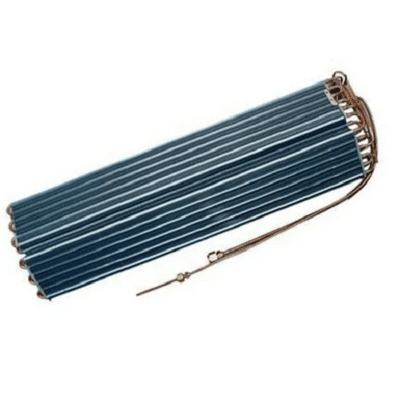
AC Coil
Spare Details
-
-
Spare Type:
Copper Coils, Blue Fin Technology, Gold Fin Technology, Micro-Channel Coors (Aluminum)
-
Specification:
Tube Material: High-grade C12200 Copper, Fin Material: Aluminum Alloy, Tube Diameter: 5mm to 9.5mm, Pressure Rating: over 600 PSI
-
The Cooling Core: A Comprehensive Guide to AC Coils in India
In the sweltering heat of the Indian summer, an air conditioner is often the only sanctuary. While many focus on the brand name or the "star rating," the actual physics of cooling happens within the AC Coils. These are the heat exchangers that facilitate the transfer of thermal energy from your room to the outside world. In the India market, where environmental factors like high humidity, pollution, and coastal salt air are prevalent, the type and quality of the AC coil can determine whether your appliance lasts for two years or ten. We also deal in other home appliance spare parts like Chimneys, Hobs, RO systems, ACs, Fridges, Washing Machines, Microwaves, Dishwashers, Geysers, Coolers etc.
The Anatomy of Cooling: Evaporator vs. Condenser
Every split or window AC in India contains two primary coils. The Evaporator Coil (Indoor Coil) is located inside the indoor unit. Its job is to absorb heat and moisture from your room as the liquid refrigerant evaporates into gas. The Condenser Coil (Outdoor Coil) is located in the outdoor unit. It receives the hot, high-pressure gas from the compressor and releases that heat into the environment. In a city like Delhi or Chennai, the outdoor coil faces the toughest challenge, as it must reject heat even when the ambient temperature exceeds 45°C.
Key Technical Specifications for the Indian Market
To ensure a high ISEER (Indian Seasonal Energy Efficiency Ratio) and long-term durability, AC coils must adhere to specific technical standards:
-
Tube Material: High-grade C12200 Copper is the gold standard for India. It offers superior thermal conductivity ($k$-value) and is significantly easier to repair than aluminum.
-
Fin Material: Typically made of Aluminum Alloy. The fins are the "flaps" attached to the tubes that increase the surface area for heat exchange.
-
Fin Pitch: This refers to the number of fins per inch. In dusty Indian cities like Gurugram or Ahmedabad, a wider fin pitch is sometimes preferred to prevent the coil from choking with dust too quickly.
-
Tube Diameter: Standard tubes in India range from 5mm to 9.5mm. Modern "Microgroove" copper tubes feature internal ridges that swirl the refrigerant, enhancing cooling efficiency by up to 20%.
-
Pressure Rating: Coils must be leak-tested to withstand pressures over 600 PSI, especially when using high-pressure refrigerants like R32.
Types of AC Coils and Coatings Found in India
1. Copper-Copper Coils
This is the most recommended configuration for Indian households. Both the tubes and the fins are made of copper (or copper tubes with aluminum fins). They offer the best cooling performance and are highly resistant to the "pitting" corrosion common in Mumbai and Kochi.
2. Blue Fin Technology
To combat the corrosive effects of moisture and salt air, many brands in India (like Voltas and Daikin) apply an epoxy-based "Blue Fin" coating to the aluminum fins. This hydrophobic layer prevents water droplets from sticking to the surface, reducing rust and enhancing heat transfer.
3. Gold Fin Technology
A premium anti-corrosive coating found in brands like LG. The "Gold Fin" is even more resistant to salt and acid rain than the blue version, making it the ideal choice for coastal regions in West Bengal, Tamil Nadu, and Maharashtra.
4. Micro-Channel Coors (Aluminum)
Often found in budget-friendly or compact units. While they offer excellent initial efficiency, they are notorious in India for being difficult to repair. If a micro-channel coil develops a leak in a city like Hyderabad, it usually requires a total replacement rather than a simple solder job.
The Challenge of "Gas Leaks" and Corrosion in India
A major headache for AC owners in India is the "Gas Leak" caused by Formicary Corrosion. In urban centers, sulfur from open drains (nullahs) and sewage reacts with the copper tubes, creating microscopic pinholes. This is why "Anti-Corrosive" coatings have become a standard selling point for ACs in Delhi-NCR and Mumbai. Regular chemical cleaning of the coils is essential to remove these corrosive deposits and maintain airflow.
Frequently Asked Questions (FAQ)
Is a copper coil AC better than an aluminum coil AC in India?
Yes. Copper coils are much more durable, have better heat exchange properties, and can be easily repaired if a leak occurs. In the India climate, aluminum coils tend to corrode faster and often need complete replacement if damaged.
Why are my AC coils freezing (turning into ice)?
This usually happens due to restricted airflow (dirty filters) or low refrigerant levels. In India, a common cause is the accumulation of thick dust on the indoor evaporator coil, which prevents the heat exchange from occurring.
What is the "Inner Grooved" copper tube?
Modern ACs in India use tubes with internal spiral grooves. These grooves increase the surface area and create turbulence in the refrigerant flow, which leads to faster cooling and higher energy savings.
How often should I clean my outdoor condenser coil?
In dusty cities like Delhi or Jaipur, the outdoor coil should be cleaned with a low-pressure water spray at least once every 3 months during the peak summer season to ensure the compressor doesn't overheat.
How do I know if my AC coil has a leak?
If your AC is running but not cooling, or if you see oily stains on the copper tubes of the outdoor unit, it is a sign of a refrigerant leak. In India, technicians use soap bubbles to pinpoint these leaks on the coils.
Would you like me to help you compare the coil specifications of specific AC models available in India or guide you on how to clean your coils safely?
SparesMedia (store manager) –
Swapped my leaky aluminum coil for a 100% copper one with blue-fin coating. The cooling efficiency improved noticeably, and it’s much better suited for coastal humidity