
Helpline: 99713-10122
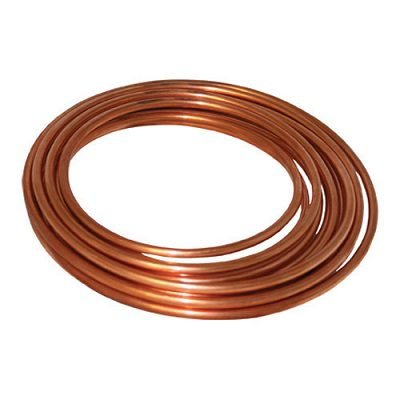
AC Copper Pipe
Spare Details
-
-
Spare Type:
Pancake Coils, Pre-Insulated Copper Tubes, LWC (Level Wound Coils)
-
Specification:
Material Grade: C12200 Phosphorus Deoxidized Copper, Wall Thickness: Standard Duty: 0.61mm to 0.71mm/ Heavy Duty (Recommended): 0.81mm to 1.0mm, Standard Diameters:Liquid Line (Thin): Typically, 1/4 inch ($6.35$ mm), Suction Line (Thick): Ranges from 3/8 inch ($9.52$ mm) to 5/8 inch ($15.88$ mm)
-
The Golden Standard: A Comprehensive Guide to AC Copper Pipes in India
In the intense climatic conditions of India, the performance of an air conditioner is only as good as the conduit that carries its lifeblood—the refrigerant. The AC Copper Pipe is the essential circulatory system of any split or window AC. While external features like "Inverter Technology" or "WiFi Control" get the marketing spotlight in Delhi or Mumbai, it is the quality of the copper piping that determines how long the machine will survive. In the India market, where humidity and atmospheric pollutants are high, choosing the right copper specification is the ultimate safeguard for your investment. We also deal in other home appliance spare parts like Chimneys, Hobs, RO systems, ACs, Fridges, Washing Machines, Microwaves, Dishwashers, Geysers, Coolers etc.
Why Copper is Non-Negotiable for Indian Cooling
Copper is the preferred material for refrigerant lines in India for several reasons. Firstly, its exceptional thermal conductivity ensures that the heat exchange process happens rapidly, leading to faster cooling in your Bengaluru or Hyderabad home. Secondly, copper is highly ductile, allowing technicians to bend the pipes around corners and through narrow wall holes without the risk of kinking or cracking. Most importantly, copper is resistant to the high pressures of modern refrigerants like R32 and R410A, which are now standard in the India market.
Key Technical Specifications for the Indian Market
When purchasing an AC or a replacement piping kit from brands like Voltas, Daikin, LG, or Lloyd, these technical parameters are vital:
-
Material Grade: High-quality installations in India use C12200 Phosphorus Deoxidized Copper. This grade is specifically refined to prevent "Pitting Corrosion," which is common in polluted urban environments.
-
Wall Thickness: This is a critical safety specification.
-
Standard Duty: 0.61mm to 0.71mm.
-
Heavy Duty (Recommended): 0.81mm to 1.0mm. Thicker walls are essential in India to withstand the high pressure of eco-friendly gases and to prevent accidental punctures.
-
-
Standard Diameters: Split ACs in India use a pair of pipes:
-
Liquid Line (Thin): Typically 1/4 inch ($6.35$ mm).
-
Suction Line (Thick): Ranges from 3/8 inch ($9.52$ mm) to 5/8 inch ($15.88$ mm) depending on whether it is a 1 Ton or 2 Ton unit.
-
-
Temper (Hardness):
-
Soft (Annealed): Comes in coils and is used for residential installations in Pune or Noida because it is easy to bend.
-
Hard (Drawn): Straight lengths used for commercial VRV systems in large Mumbai offices.
-
Types of AC Copper Pipes Found in India
1. Pancake Coils
The most common type for residential split AC installations across India. These are soft copper tubes sold in 15-meter or 30-meter rolls. They allow for a seamless run from the indoor unit to the outdoor unit, reducing the number of joints and the risk of leaks.
2. Pre-Insulated Copper Tubes
A growing trend in the India premium segment. These pipes come factory-fitted with high-quality nitrile rubber insulation. This ensures that the insulation is airtight, preventing "Sweating" and water damage to walls in humid cities like Kolkata or Chennai.
3. LWC (Level Wound Coils)
Mainly used by AC manufacturers in India during the assembly of indoor and outdoor units. They are designed for high-speed automated unrolling and bending.
The Challenge of "Gas Leaks" in Indian Cities
In India, a common complaint is that the AC gas "leaks" every year. This is often due to poor-quality copper or "Formicary Corrosion." In coastal cities like Mumbai or Kochi, and even in Delhi near open drains (nullahs), sulfur and other chemicals in the air attack the copper. To combat this, many brands in India now offer Blue Fin or Gold Fin coatings on the copper coils. Additionally, using "Oxygen-Free" copper pipes during installation can significantly reduce the chances of micro-leaks.
Frequently Asked Questions (FAQ)
Is 100% copper better than aluminum for ACs in India?
Yes. While aluminum is cheaper, it is much harder to repair and has lower thermal efficiency. In the long run, copper pipes in your India home will save you money on electricity and gas refills.
How do I identify a high-quality copper pipe?
Check for the brand name and the "Wall Thickness" (Gauge) printed on the pipe. In India, look for IS (Indian Standard) markings or ASTM ratings to ensure you are not getting thin-walled, substandard pipes.
Why is my AC copper pipe turning black?
In cities like Mumbai or Gurugram, atmospheric pollutants react with the copper. This is usually surface oxidation and is normal. However, if you see green powdery deposits, it indicates active corrosion that might lead to a leak.
Can I reuse the old copper pipes when I buy a new AC?
It is not recommended. Different refrigerants (like R22 vs R32) operate at different pressures and use different oils. Old pipes in your India apartment may have residue that can damage the compressor of a new Inverter AC.
What is the maximum length of copper pipe for a split AC?
For most domestic units in India, it is recommended to keep the pipe length between 3 meters and 15 meters. Going beyond this requires a "Top-up" of gas and can reduce the cooling efficiency.
Would you like me to help you find the correct copper pipe gauge for your AC tonnage or suggest a reliable brand for copper piping in India?

SparesMedia (store manager) –
Copper pipe was little costly but genuine spare parts.