
Helpline: 99713-10122
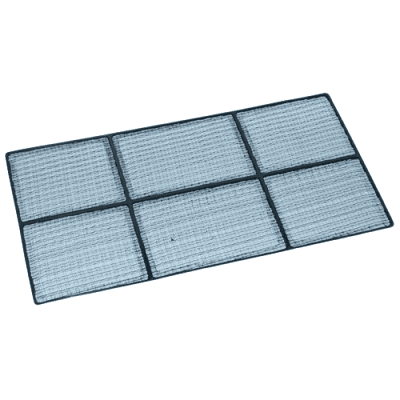
AC Filter
Spare Details
-
-
Spare Type:
Primary Dust Filters (Nylon Mesh), PM 2.5 Filters, Active Carbon Filters, Catechin and Silver Ion Filters
-
Specification:
Material Composition: Nylon Mesh, Carbon/Charcoal, HEPA (High-Efficiency Particulate Air), Antimicrobial Coating: Silver ions or green tea catechins, Dimensions:300mm to 350mm in width
-
Pure Air Solutions: A Comprehensive Guide to AC Filters in India
In the bustling urban landscapes of India, from the dust-prone streets of Delhi to the humid coastal stretches of Mumbai, the air conditioner is your primary shield against environmental pollutants. While we often celebrate the cooling comfort of an AC, the AC Filter is the unsung hero that ensures the air you breathe is healthy. Acting as the lungs of the appliance, the filter traps dust, allergens, and microbial spores. In the India context, where air quality index (AQI) levels can fluctuate significantly, understanding your AC filter’s specifications is vital for both your health and the longevity of your machine. We also deal in other home appliance spare parts like Chimneys, Hobs, RO systems, ACs, Fridges, Washing Machines, Microwaves, Dishwashers, Geysers, Coolers etc.
The Role of Filtration in Indian Households
The primary function of an AC filter is to protect the internal cooling coils from dust accumulation while purifying the indoor air. In a typical home in Bengaluru or Pune, the indoor air often contains pet dander, pollen, and fine particulate matter. Without a high-quality filter, these particles would coat the evaporator fins, reducing cooling efficiency and leading to the growth of mold. For residents in high-pollution zones like Noida or Gurugram, the filter is the first line of defense in maintaining a hygienic indoor sanctuary.
Key Technical Specifications for the Indian Market
To handle the unique particulate challenges in India, AC filters from brands like Voltas, Daikin, LG, and Blue Star come with specific ratings:
-
MERV Rating: Most domestic AC filters in India range between MERV 5 to MERV 8. This is sufficient for trapping household dust and lint. High-end units may feature filters up to MERV 13 for capturing finer smoke particles.
-
Material Composition:
-
Nylon Mesh: The standard washable filter found in almost every split AC in India.
-
Carbon/Charcoal: Used for odor removal in cities with high industrial presence like Ahmedabad.
-
HEPA (High-Efficiency Particulate Air): Found in premium "Air Purifying" ACs, capable of trapping 99.97% of particles as small as 0.3 microns.
-
-
Dimensions: These are brand-specific. A 1.5 Ton split AC in India usually features two rectangular filter panels approximately 300mm to 350mm in width.
-
Antimicrobial Coating: Many Indian AC filters are now treated with silver ions or green tea catechins to inhibit the growth of bacteria and viruses in humid climates like Kolkata.
Types of AC Filters Found in India
1. Primary Dust Filters (Nylon Mesh)
These are the most common filters in India. They are designed to be removed and washed by the homeowner every two weeks. They trap large dust particles and protect the AC’s internal components.
2. PM 2.5 Filters
Given the air quality concerns in North India, many modern ACs come with a dedicated PM 2.5 filter. This is a small, replaceable strip that fits into a slot on the primary mesh, specifically designed to trap micro-pollutants that standard filters miss.
3. Active Carbon Filters
Ideal for homes in Mumbai or Chennai near busy roads or landfill sites. The porous carbon surface absorbs volatile organic compounds (VOCs) and eliminates foul smells, keeping the room smelling fresh.
4. Catechin and Silver Ion Filters
These are "Bio-Filters" popular in the India market. They don't just trap particles; they use chemical properties to de-nature bacteria and viruses, making them a great choice for families with children or elderly members in Hyderabad.
Maintenance for Longevity in Indian Conditions
In India, neglecting your AC filter is the fastest way to ruin the appliance. A choked filter restricts airflow, causing the cooling coils to "freeze" and the compressor to overheat. In dusty cities like Jaipur or Chandigarh, filters can get clogged in as little as ten days.
Pro-Tip: Wash your primary mesh filters under running water once every 15 days. Never use hot water or harsh chemicals, as they can warp the plastic frame. For PM 2.5 or Carbon filters, remember that they are "disposable" and should be replaced every 3 to 4 months for peak performance.
Frequently Asked Questions (FAQ)
Why is my AC not cooling even though it is set to 18°C? In many India homes, the most common reason is a dirty filter. When the filter is clogged, air cannot pass through the cooling coils, leading to poor cooling and higher electricity bills in your Delhi or Mumbai apartment.
Can I run my AC without a filter? Never do this. Running an AC without a filter in the dusty environment of India will allow dirt to settle directly on the wet cooling coils. This creates a "muddy" layer that is very expensive to clean and can permanently damage the fins.
How often should I replace my PM 2.5 filter in India? In high-pollution cities like Delhi-NCR, these should be replaced every 3 months. In cleaner areas like Kerala or Goa, they may last up to 6 months.
Are all AC filters washable? Only the primary "Nylon Mesh" filters are washable. Specialized filters like HEPA, Carbon, or PM 2.5 strips are "dry" filters and will be ruined if they get wet.
Where can I buy replacement filters for my Samsung or Panasonic AC? You can purchase original filters from authorized service centers in your city or through major e-commerce platforms in India. Always ensure the dimensions match your specific model.
Would you like me to help you find the correct filter part number for your AC brand or suggest a high-performance PM 2.5 filter compatible with your unit in India?

SparesMedia (store manager) –
Upgraded my standard mesh to these high-density PM2.5 filters. They catch a surprising amount of dust and actually help with the ‘stale air’ smell in the room.