
Helpline: 99713-10122
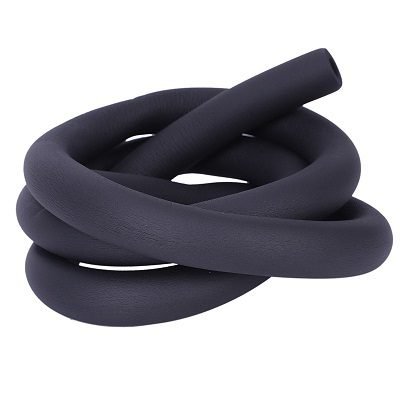
AC Pipe Insulator
Spare Details
-
-
Spare Type:
Tubing Insulators, Slit-and-Seal Insulators, UV-Protected Insulators
-
Specification:
Material Composition: Nitrile Rubber (Closed-Cell), Polyethylene (PE) Foam, Wall Thickness: 6mm to 13mm, Temperature Range: ‘-40°C up to 105°C’.
-
The Silent Guardian of Efficiency: A Comprehensive Guide to AC Pipe Insulators in India
In the grueling heat of an India summer, every degree of cooling counts. While homeowners in Delhi, Mumbai, and Bengaluru often focus on the brand of the compressor or the star rating of the unit, the efficiency of a split air conditioner depends heavily on a humble, foam-like sleeve: the AC Pipe Insulator. This component wraps around the copper refrigerant lines that connect the indoor and outdoor units.1 In the high-ambient temperatures of India, a high-quality pipe insulator is the difference between a chilling breeze and an overworked, energy-consuming machine. We also deal in other home appliance spare parts like Chimneys, Hobs, RO systems, ACs, Fridges, Washing Machines, Microwaves, Dishwashers, Geysers, Coolers etc.
The Role of Insulation in Refrigeration
The primary job of an AC pipe insulator is to prevent "Thermal Gain." Refrigerant gas travels from the outdoor unit to the indoor unit at extremely low temperatures. In a city like Chennai or Hyderabad, where external temperatures can exceed 40°C, the uninsulated copper pipes would absorb heat from the atmosphere before reaching the indoor cooling coil. This forced heat gain makes the compressor work much harder. Furthermore, insulation prevents "Sweating" or condensation. Without it, moisture from the humid air in Kolkata or Kochi would condense on the cold pipes, leading to dripping water that can damage your wall paint or false ceiling.
Key Technical Specifications for the Indian Market
To survive the intense UV radiation and temperature fluctuations in India, pipe insulators must meet specific technical standards:
-
Material Composition:
-
Nitrile Rubber (Closed-Cell): The most popular choice for premium installations in India. It offers superior moisture resistance and flexibility.
-
Polyethylene (PE) Foam: A cost-effective alternative often found in budget installations in Pune or Ahmedabad.
-
-
Thermal Conductivity ($k$-value): A critical specification. High-quality insulators in India have a low $k$-value (typically around 0.035 W/mK at 20°C), ensuring minimal heat transfer.
-
Wall Thickness: Standard thickness for domestic ACs in India ranges from 6mm to 13mm. For long pipe runs in large Gurugram apartments, thicker insulation is required to maintain efficiency.
-
Temperature Range: Must be capable of withstanding temperatures from -40°C up to 105°C without melting or cracking.
-
Fire Rating: Look for "Class O" or "Class 1" fire-resistant materials, which are essential for safety in high-rise buildings across India.
Types of AC Pipe Insulators Found in India
1. Tubing Insulators
These are seamless sleeves that are slid onto the copper pipes during the initial installation. They provide the most consistent thermal barrier and are the standard for split AC installations by brands like Daikin, Voltas, and LG in India.
2. Slit-and-Seal Insulators
Used primarily for repairs or retrofitting in India. These tubes are pre-slit along their length, allowing them to be wrapped around existing pipes without disconnecting the gas lines. They are then sealed using specialized adhesive or vinyl tape.
3. UV-Protected Insulators
Since outdoor units in India are often exposed to harsh sunlight, these insulators feature a white or silver "Tough-Skin" outer layer. This prevents the sun from making the foam brittle and crumbling over time.
Maintenance and Survival in the Indian Environment
In India, the biggest threat to pipe insulation is birds and rodents. In many Noida or Mumbai societies, pigeons often peck at the soft foam to build nests, leaving the copper pipes exposed. Once the insulation is torn, the cooling efficiency of your AC can drop by as much as 10% to 15%.
Pro-Tip: Always ensure your technician wraps the insulated pipes with high-quality Vinyl Wrapping Tape (non-adhesive). This adds an extra layer of protection against the sun and minor mechanical damage from birds.
Frequently Asked Questions (FAQ)
Why is water dripping from my AC pipes outside?
This usually means your AC Pipe Insulator has worn out or is missing. The cold copper pipe is reacting with the humid India air, causing condensation. Replacing the sleeve will stop the dripping.
How thick should the insulation be for a 1.5 Ton AC in India?
For standard installations, a thickness of 9mm is usually sufficient. However, if your outdoor unit is placed very far from the indoor unit, moving to 13mm insulation is recommended to prevent cooling loss.
Can I use the black foam insulator for both the suction and liquid lines?
Yes, in a split AC system in India, both the "thick" and "thin" copper pipes should be individually insulated to ensure maximum efficiency.
Does the sun damage AC pipe insulation?
Yes. Over time, UV rays in India cause standard black nitrile rubber to become brittle and turn into powder. Using UV-resistant tape or sleeves is essential for outdoor longevity.2
Is it expensive to replace AC pipe insulation?
No. Compared to the cost of a compressor or a gas refill, pipe insulation is very affordable in India. Replacing worn-out insulation pays for itself within a few months through lower electricity bills.
Would you like me to help you find the correct diameter of insulation for your specific copper pipe size or suggest a professional AC service in your city in India?

SparesMedia (store manager) –
Really good insulator because no any water droplet becomes on it in rainy season.