
Helpline: 99713-10122
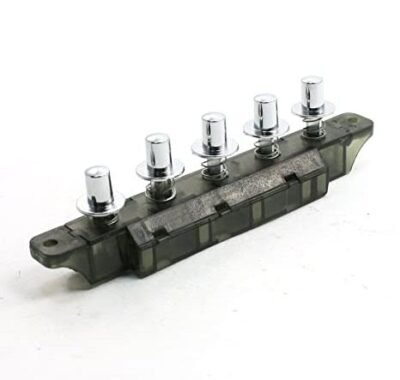
Chimney Button Switch
Spare Details
-
Spare Type:
Push-Button Mechanical Switches, Soft-Touch Electronic Switches, Piano-Key Switches, Rotary Switches
-
Specification:
Current Rating: 6 Amps to 10 Amps, Thermal Resistance: Flame-Retardant Polycarbonate, Switching Cycle Life:up to 10,000 to 50,000 operations
The Control Center: A Comprehensive Guide to Chimney Button Switches in India
In the heart of an India home, the kitchen chimney serves as a vital tool for maintaining a clean and smoke-free environment. While suction power and motor efficiency are frequently discussed, the Chimney Button Switch is the most frequent point of interaction between the cook and the machine. In a busy kitchen in Mumbai or Delhi, where hands are often covered in oil or flour, the tactile reliability and electrical safety of these switches are paramount. Understanding the types and specifications of these components is essential for ensuring the longevity of your kitchen appliance. We also deal in other home appliance spare parts like Chimneys, Hobs, RO systems, ACs, Fridges, Washing Machines, Microwaves, Dishwashers, Geysers, Coolers etc.
The Role of the Button Switch in Kitchen Ventilation
The chimney button switch is the interface that allows the user to regulate the electrical flow to the motor and the lighting system. In the context of India, where cooking involves prolonged periods of high heat and steam, these switches are designed to handle constant cycling. Whether you are switching on the "high-speed" mode for a spicy tadka or turning on the LED lights to check the consistency of a curry, the switch must provide a crisp, reliable response every time.
Key Technical Specifications for the Indian Market
When evaluating a chimney or looking for replacement switches from brands like Sunflame, Glen, or Faber, you must consider these technical parameters:
-
Current Rating: Most chimney switches in India are rated for 6 Amps to 10 Amps. This ensures the switch can handle the "start-up" current of the motor without arcing or melting.
-
Voltage Compatibility: Designed for the standard Indian household supply of 230V AC.
-
Contact Material: High-quality switches use Silver-Alloy contacts. This is a critical specification as it prevents carbon buildup and ensures low electrical resistance over thousands of clicks.
-
Thermal Resistance: The switch housing is typically made of Flame-Retardant Polycarbonate. This material ensures that the switch does not deform despite being positioned directly above the hot stove.
-
Switching Cycle Life: Premium switches are tested for up to 10,000 to 50,000 operations, reflecting the heavy usage in a typical Indian household.
Types of Chimney Button Switches Found in India
Depending on the model and price point of the appliance, you will encounter these common switch types:
1. Push-Button Mechanical Switches
The most common and reliable type found in traditional chimneys across India. These feature a physical spring mechanism. They are favored for their durability and "tactile click," allowing the cook to operate them without even looking at the panel.
2. Soft-Touch Electronic Switches
Popular in modern, mid-range chimneys in cities like Bengaluru and Hyderabad. These buttons have a shorter travel distance and are connected to a PCB. They often feature built-in LED indicators to show which speed is currently active.
3. Piano-Key Switches
A variant of the mechanical switch where the buttons are long and rectangular, resembling piano keys. These are often found in "Straight-Line" or "Slim" chimneys in compact Mumbai apartments due to their space-saving vertical design.
4. Rotary Switches
Found in some older or heavy-duty industrial-style chimneys. These involve a dial that you turn to select the speed. While less common now, they are exceptionally robust.
Maintenance and Troubleshooting in Indian Conditions
The biggest enemy of a chimney button switch in India is "Oil Seepage." Over time, vaporized oil can settle in the gaps around the buttons. If not cleaned, this oil can enter the internal mechanism, causing the buttons to become "sticky" or even leading to a short circuit. In the humid climate of Kolkata or Chennai, moisture can combine with this oil to corrode the metal contacts.
Pro-Tip: Occasionally wipe the switch panel with a cloth slightly dampened with a degreasing agent, ensuring no liquid actually enters the gaps.
Frequently Asked Questions (FAQ)
Why are the buttons on my chimney getting stuck? In many India kitchens, this is due to accumulated grease. The oil from cooking acts like a glue inside the switch. Cleaning the external panel regularly can prevent this from happening.
Can I replace a single button, or do I need to buy the whole switch strip? In most mechanical chimneys sold in India, the buttons come as a single "Switch Bank" or "Strip." It is usually easier and more cost-effective to replace the entire assembly rather than attempting to fix a single spring.
Is it safe to touch the chimney buttons with wet hands? While the switches are housed in insulating plastic, it is always safer to dry your hands. In India, where earthing issues can sometimes occur in older buildings, touching electrical components with wet hands increases the risk of a minor shock.
Why is my chimney motor not starting even though the button is pressed? The internal "Contact Point" of the switch may have burnt out or accumulated carbon. If the button feels "mushy" and doesn't click, the internal spring might be broken.
Are switches interchangeable between different chimney brands? Not always. While they look similar, the "mounting clips" and the wiring "connector plug" vary between brands like Elica, Hindware, and Kaff. Always check the model number before purchasing a spare in India.
Would you like me to help you find the correct switch strip or a replacement part for your specific chimney brand in India?

SparesMedia (store manager) –
Found a standard 250V black switch for my older manual chimney. The tactile click feels more durable than the original”