
Helpline: 99713-10122
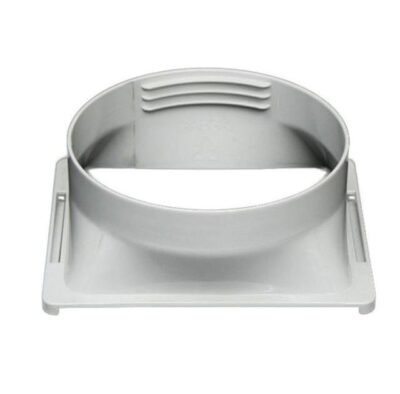
Chimney Pipe Fixer Interface
Spare Details
-
Spare Type:
Straight Outlet Interface, L-Shaped (90-Degree) Adapter, Reducer/Expander Interface,
-
Specification:
Diameter Size: Variable, Material: ABS Plastic, Galvanized Iron (GI), Mounting Type: Twist-and-Lock, Screw-Fix, Temperature Tolerance:up to 70°C
The Crucial Link: Understanding the Chimney Pipe Fixer Interface in Indian Kitchens
In the architectural evolution of the modern India home, the modular kitchen has become a centerpiece of design. While we often discuss suction power or the aesthetics of the hood, the structural integrity of the ventilation system rests on a small but vital component: the Chimney Pipe Fixer Interface. Also known as a ducting adapter or flange, this interface is the mechanical bridge that connects the chimney’s motor outlet to the exhaust pipe. In a country like India, where cooking involves heavy oils and high-pressure steam, a loose or mismatched interface can lead to grease leaks, loud vibrations, and a significant drop in appliance efficiency. We also deal in other home appliance spare parts like Chimneys, Hobs, RO systems, ACs, Fridges, Washing Machines, Microwaves, Dishwashers, Geysers, Coolers etc.
What is a Chimney Pipe Fixer Interface?
The pipe fixer interface is a ring-like connector, typically made of high-grade plastic or light-weight metal, that sits directly on top of the chimney's housing. Its primary purpose is to provide a secure, airtight mounting point for the flexible aluminum or PVC exhaust pipe. In cities like Mumbai or Delhi, where kitchens are often compact and ducting paths can be complex, this interface ensures that the transition of smoke from the motor to the pipe is seamless and laminar (non-turbulent).
Technical Specifications for the Indian Market
When choosing a replacement interface or installing a new unit from brands like Faber, Elica, or Hindware in India, you must adhere to these specific parameters:
-
Diameter Size: The most critical specification. In India, the standard interface diameter is 6 inches (150mm). Some older models or compact units may feature a 5-inch (125mm) or 4-inch (100mm) outlet.
-
Material Construction:
-
ABS Plastic: The most common type in India due to its heat resistance and durability against the oily environment of an Indian kitchen.
-
Galvanized Iron (GI): Often used in premium or industrial-style chimneys found in Bengaluru or Hyderabad for superior strength.
-
-
Mounting Type: * Twist-and-Lock: Allows for a tool-free connection.
-
Screw-Fix: Features pre-drilled holes to secure the interface to the chimney chassis with screws.
-
-
Temperature Tolerance: It must be rated to withstand temperatures up to 70°C, ensuring it doesn't melt during prolonged deep-frying sessions.
-
Seal Quality: Quality interfaces in India come with a rubberized gasket or a foam seal to prevent air leakage.
Types of Pipe Fixer Interfaces Available in India
The design of the interface often depends on the installation constraints of your India home:
1. Straight Outlet Interface
The standard design where the pipe goes vertically or horizontally in a straight line. This is the most common interface seen in high-rise apartments across Gurugram and Pune.
2. L-Shaped (90-Degree) Adapter
Used when the exhaust hole in the wall is at a sharp angle to the chimney. This interface helps manage space in the small kitchens of Mumbai without kinking the pipe.
3. Reducer/Expander Interface
If your chimney has a 6-inch outlet but your wall hole in an older Kolkata home is only 5 inches, a reducer interface is used to bridge the size difference (though this may slightly increase noise).
Why a Proper Interface Matters in India
In many India households, "Chimney Noise" is a frequent complaint. Often, this isn't a motor fault but a loose pipe fixer interface. If the connection is not airtight, air escapes at high velocity, creating a whistling sound. Furthermore, in the humid climate of Chennai or Kochi, a leak at the interface can cause oil and soot to drip onto the top of the chimney or inside the kitchen cabinets, leading to unhygienic conditions and unpleasant odors.
Frequently Asked Questions (FAQ)
Can I install a chimney without a pipe fixer interface? No. Without the interface, there is no secure way to attach the exhaust pipe to the motor housing. Attempting to use tape alone will result in the pipe falling off due to the heat and vibration common in an India kitchen.
Why is oil leaking from the top of my chimney? This is a classic sign of a loose or cracked pipe fixer interface. In India, heavy grease can condense at the connection point; if the seal is not airtight, it will leak out.
Are these interfaces interchangeable between brands? Not always. While the diameter is often a standard 6 inches, the "locking tabs" or screw hole positions vary between brands like Glen, Sunflame, and Elica. Always buy a brand-compatible part for your unit in India.
How do I clean the pipe fixer interface? During your annual chimney service, the interface should be wiped with a degreasing agent. In the greasy cooking environment of India, oil can accumulate in the grooves, making it difficult to remove the pipe later.
What is the price of a replacement interface in India? A standard plastic interface usually costs between ₹250 and ₹600, while specialized metal adapters can go up to ₹1,200.
Would you like me to help you find the compatible interface size for your specific chimney model in India?
SparesMedia (store manager) –
Used a 6-inch to 4-inch converter to fit my new chimney into an existing wall hole. It’s a simple plastic part but saved me from major masonry work