
Helpline: 99713-10122
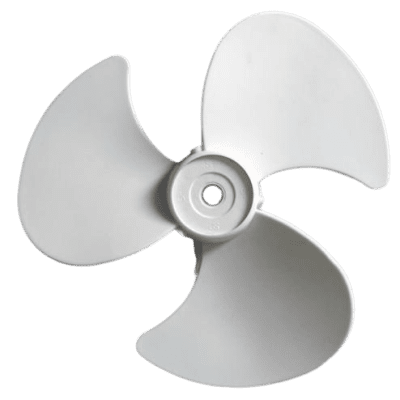
Cooler Blade
Spare Details
-
Spare Type:
Plastic (ABS/HIPS) Blades, Aluminum Blades, Heavy-Duty Exhaust Blades
-
Specification:
Diameter (Sweep): 12-inch, 16-inch, 18-inch, and 20-inch, Bore Size (Center Hole): 1/2 inch (12.7mm) and 5/8 inch (15.8mm), Rotation Direction:Clockwise (CW), Counter-Clockwise (CCW)
The Cool Breeze of India: A Comprehensive Guide to Air Cooler Blades
As the intense summer heat sweeps across the plains of North India and the humid coastal regions of South India, the desert cooler remains the most trusted companion for millions. While the motor provides the raw power, it is the Cooler Blade that determines the quality, throw, and noise of the air delivered to your room. Whether you are in Nagpur, known for its dry heat, or Kolkata, with its high humidity, choosing the right blade specification is essential for optimal cooling performance. We also deal in other home appliance spare parts like Chimneys, Hobs, RO systems, ACs, Fridges, Washing Machines, Microwaves, Dishwashers, Geysers, Coolers etc.
The Science of Air Displacement
A cooler blade is an aerodynamic component designed to move large volumes of air at relatively low pressures. In India, where residential spaces vary from small bedrooms to large open balconies, the blade's design must balance airflow (measured in Cubic Feet per Minute) with energy consumption. The efficiency of a cooler in a Delhi home depends on how well the blade "bites" into the air and pushes it through the wet cooling pads.
Key Technical Specifications for the Indian Market
To ensure your cooler performs at its peak, you must match the blade to your specific motor and body type using these specifications:
-
Diameter (Sweep): This is the most critical dimension. In India, standard sizes include 12-inch, 16-inch, 18-inch, and 20-inch. Industrial coolers in Punjab or Haryana may use sweeps of 24 inches or more.
-
Pitch Angle: The "twist" of the blade. A higher pitch moves more air but puts more load on the motor. Most Indian desert coolers use a medium pitch to prevent the motor from overheating during a heatwave.
-
Bore Size (Center Hole): This is the diameter of the hole that fits onto the motor shaft. The most common sizes in the Indian market are 1/2 inch (12.7mm) and 5/8 inch (15.8mm).
-
Number of Leaves: Typically, blades come in 3-leaf, 4-leaf, or 5-leaf configurations.
-
Rotation Direction: Most Indian cooler motors rotate Clockwise (CW) when viewed from the front, but some exhaust-style coolers require Counter-Clockwise (CCW) blades.
Types of Cooler Blades Available in India
The material and shape of the blade significantly impact the noise levels and durability:
1. Aluminum Blades
These are the traditional choice for "Desert Coolers" across India. They are lightweight and resistant to rust, which is vital since they operate in a high-moisture environment. Aluminum blades are often preferred in Rajasthan for their ability to provide a high-velocity "air throw" over long distances.
2. Plastic (ABS/HIPS) Blades
Found in modern, branded coolers like Symphony, Kenstar, or Bajaj. These are designed using advanced fluid dynamics to be "whisper-quiet." They are ideal for bedrooms in quiet residential areas of Bengaluru or Chandigarh. They are also safer as they don't have sharp metal edges.
3. Heavy-Duty Exhaust Blades
Used in large metal coolers found in commercial shops in Mumbai or Ahmedabad. These are usually made of heavy-gauge galvanized iron (GI) or thick aluminum and are designed to pull air through thick honeycomb pads with high resistance.
Impact of Quality on Cooling
A poorly balanced or bent blade is the primary cause of vibration and noise in Indian coolers. If a blade is "out of center," it puts uneven pressure on the motor bushings, leading to a "humming" sound and eventually a motor burnout. High-quality blades in India are dynamically balanced at the factory to ensure smooth, vibration-free rotation.
Frequently Asked Questions (FAQ)
Which is better for a cooler: a 3-blade or 5-blade design? In the Indian context, a 3-blade design usually provides higher air velocity (faster air), which is great for "spot cooling." A 5-blade design typically moves a larger volume of air more quietly, making it better for overall room circulation.
Can I put a larger blade on my existing cooler motor? No. A larger blade increases the "torque" required. If you put an 18-inch blade on a motor designed for a 16-inch sweep, the motor will draw excess current and likely burn out within a few days of use in the India summer.
Why is my cooler making a rattling sound? The most common reason in India is a loose "set screw" on the blade hub or a slightly bent blade leaf hitting the fan guard. Ensure the blade is tightly secured to the "D-cut" or round shaft of the motor.
How do I prevent my aluminum blades from corroding? While aluminum doesn't rust like iron, it can develop white oxidation. At the end of the season in India, it is a good practice to clean the blades with a dry cloth and apply a thin layer of machine oil before storage.
Are plastic blades as durable as metal ones in the Indian climate? High-quality ABS plastic blades are very durable and do not deform under heat. However, they can become brittle if exposed to direct, harsh sunlight for many years. Metal blades are generally sturdier for outdoor "window-mounted" coolers.
SparesMedia (store manager) –
Blade quality is impressive. Strong material and cuts through water flow evenly without vibration.