
Helpline: 99713-10122
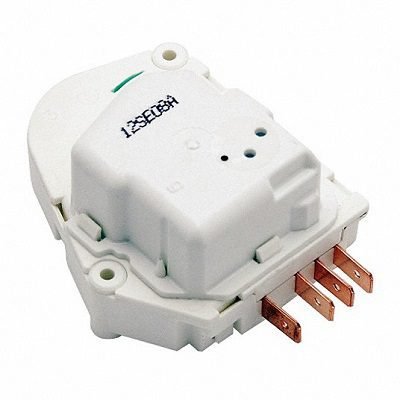
Fridge Timer
Spare Details
-
Spare Type:
Electromechanical Timers, Electronic (Solid-State) Timers, Integrated PCB Timers
-
Specification:
Cycle Frequency: 8-hour or 6-hour cycle, Defrost Duration: 10 minutes to 30 minutes, Pin Configuration: 4-pin layout, Terminal Material: Brass or Silver-plated terminals
The Clockwork of Cooling: A Comprehensive Guide to Fridge Timers in India
In every household across India, from the humid coastal flats of Mumbai to the dry heat of Delhi, the refrigerator is a silent guardian of food safety. While we often praise the compressor for cooling, the true unsung hero of a "Frost-Free" refrigerator is the Fridge Timer, also known as the Defrost Timer. This small, electromechanical or electronic device acts as the brain of the defrost cycle, ensuring that your fridge in Bengaluru or Kolkata doesn't turn into a block of ice. Without a functioning timer, even the most expensive refrigerator becomes an inefficient energy-guzzler. We also deal in other home appliance spare parts like Chimneys, Hobs, RO systems, ACs, Fridges, Washing Machines, Microwaves, Dishwashers, Geysers, Coolers etc.
The Role of the Timer in Modern Refrigeration
The primary job of a fridge timer is to manage the transition between the "Cooling Mode" and the "Defrost Mode." In a frost-free refrigerator, the evaporator coils inevitably collect frost. If this frost builds up, it blocks airflow, and the fridge stops cooling. The timer is programmed to periodically shut off the compressor and turn on the defrost heater. In the India context, where high humidity leads to faster frost accumulation, the precision of this timer is critical for maintaining the shelf-life of perishables.
Key Technical Specifications for the Indian Market
When looking for a replacement timer for brands like LG, Samsung, Whirlpool, or Godrej in India, these specifications are vital:
-
Cycle Frequency: Most Indian fridge timers are designed for an 8-hour or 6-hour cycle. This means every 8 hours of compressor run-time, the timer triggers a defrost.
-
Defrost Duration: Typically ranges from 10 minutes to 30 minutes. This is the window during which the heater melts the ice.
-
Operating Voltage: Standardized for the Indian grid at 220V to 240V AC.
-
Frequency: Must be 50Hz to match the power supply in India.
-
Pin Configuration: Most timers in India use a 4-pin layout. The sequence of these pins (Line, Neutral, Compressor, and Heater) varies between "American" and "Japanese" style wiring.
-
Terminal Material: High-quality timers feature Brass or Silver-plated terminals to prevent carbon buildup and sparking, which is essential for safety in India.
Types of Fridge Timers Found in India
1. Electromechanical Timers
The most common type found in older and mid-range refrigerators across India. These use a tiny synchronous motor and a set of plastic gears to move a cam. When the cam rotates to a specific point, it flips a switch from cooling to defrosting. They are prized for their durability and the distinct "click" sound they make.
2. Electronic (Solid-State) Timers
Found in modern, high-tech refrigerators in cities like Gurugram and Hyderabad. These use a printed circuit board (PCB) and microchips to track time. They are much more accurate and lack the mechanical gears that can wear out over time. Some electronic timers in India are even "Adaptive," meaning they adjust the defrost frequency based on how often the door is opened.
3. Integrated PCB Timers
In many premium "Inverter" refrigerators in India, there is no separate timer box. Instead, the defrost logic is programmed directly into the main control PCB. While efficient, a failure here usually requires a more expensive board replacement.
Maintenance and Failure in the Indian Environment
In India, fridge timers often fail due to two main reasons: Voltage Fluctuations and Ants. Sudden power surges in cities like Chennai or Patna can burn the tiny motor windings inside a mechanical timer. Additionally, small ants are often attracted to the warmth of the timer box, crawling inside and jamming the plastic gears.
If your fridge is running but not cooling, or if the compressor never seems to turn off, your timer might be stuck in one mode. A technician in India can usually diagnose this by manually turning the timer screw to see if the heater kicks in.
Frequently Asked Questions (FAQ)
Why is my fridge leaking water inside? While this could be a blocked drain, in many India homes, it is because the timer is stuck. If the defrost cycle doesn't run, ice blocks the drain hole, and when it eventually melts, the water overflows into the fridge compartment.
Can I use a 6-hour timer in a fridge that originally had an 8-hour timer? It is possible, but not recommended. In the humid climate of Mumbai or Kochi, a 6-hour timer will defrost more frequently, which might be okay, but it will slightly increase energy consumption.
How do I know if my fridge timer is faulty? If you notice heavy ice buildup on the back wall of the freezer or if the fridge stays silent for hours without the compressor starting, the timer is likely defective. You can listen for the "ticking" sound in mechanical models.
Is it easy to replace a fridge timer in India? Yes, for most mechanical models, it is a "plug-and-play" part. However, you must ensure the pin sequence matches exactly. A "Type 1" timer cannot be replaced by a "Type 2" without rewiring the socket.
Are fridge timers expensive? No, they are one of the most affordable components of a refrigerator in India. Replacing a faulty timer is a fraction of the cost of buying a new fridge or replacing a compressor.
Would you like me to help you identify the correct pin configuration for your fridge brand or find a certified appliance technician in your city in India?
SparesMedia (store manager) –
A cheap fix for a big problem. The fridge kept cutting out; replaced this small safety device and the compressor is running strong again