
Helpline: 99713-10122
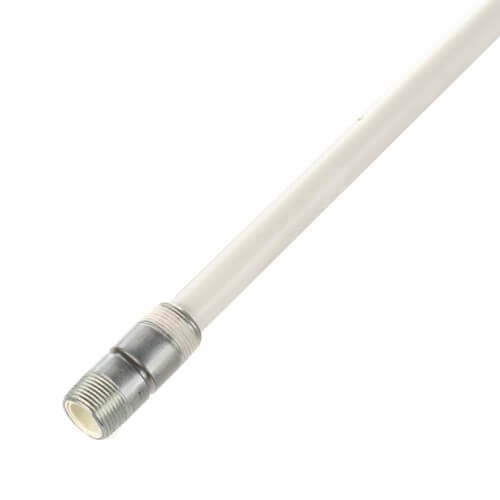
Geyser Anode Rod
Spare Details
-
Spare Type:
Magnesium Anode Rods, Aluminum Anode Rods, Flexible (Link) Anodes, Electronic (Powered) Anodes
-
Specification:
Material Composition: Magnesium (Mg)/ Aluminum (Al)/ Zinc/Aluminum Alloy, Core Material: Stainless Steel or Carbon Steel, Mounting Thread: 3/4 inch NPT or M8/M10, Length: 200mm to 400mm, Diameter: 15mm and 22mm.
The Sacrificial Guardian: A Comprehensive Guide to Geyser Anode Rods in India
In the diverse geographical landscape of India, from the mineral-rich borewell water of Gurugram to the municipal supplies in Mumbai, the inner tank of a water heater (geyser) faces a constant threat: corrosion. While the heating element does the work, the Geyser Anode Rod is the silent martyr that protects the appliance. Known as a "sacrificial anode," its sole purpose is to corrode so that your expensive geyser tank does not. In the India market, where hard water is a reality for millions, the anode rod is the single most important factor in determining whether your geyser lasts three years or thirteen. We also deal in other home appliance spare parts like Chimneys, Hobs, RO systems, ACs, Fridges, Washing Machines, Microwaves, Dishwashers, Geysers, Coolers etc.
The Science of Sacrificial Protection
The anode rod works through a process called Electrolysis. When a geyser tank in Delhi or Bengaluru is filled with water, an electrochemical reaction occurs. Naturally, the water tries to corrode the steel or copper tank. However, because the anode rod is made of a "more active" metal, the corrosive current flows toward the rod instead of the tank walls. Essentially, the rod "sacrifices" its own metal ions into the water, dissolving slowly over time to keep the tank lining intact. Without this rod, the high TDS (Total Dissolved Solids) in Indian water would cause pinhole leaks in the tank within a very short period.
Key Technical Specifications for the Indian Market
To provide adequate protection in the varying water conditions of India, anode rods from brands like Ao Smith, Racold, Havells, and Bajaj follow these specifications:
-
Material Composition:
-
Magnesium (Mg): The most common type in India, ideal for most residential water heaters.
-
Aluminum (Al): Used in areas with extremely hard water or high pH levels.
-
Zinc/Aluminum Alloy: Specifically designed to combat the "rotten egg" smell (sulfur) sometimes found in borewell water in rural India.
-
-
Core Material: A solid Stainless Steel or Carbon Steel wire runs through the center to ensure the rod remains structurally sound even as the outer metal dissolves.
-
Mounting Thread: Usually features a 3/4 inch NPT or M8/M10 threaded stud, depending on whether it is integrated with the heating element or sits in a dedicated port.
-
Length: Varies from 200mm to 400mm. A longer rod provides a larger surface area for protection, which is vital for high-capacity storage geysers in Mumbai or Chennai.
-
Diameter: Typically between 15mm and 22mm.
Types of Geyser Anode Rods Found in India
1. Magnesium Anode Rods
This is the standard for most geysers sold in India. It provides the highest level of galvanic protection and is highly effective in the soft to moderately hard water found in cities like Pune or Kolkata.
2. Aluminum Anode Rods
Often recommended as a replacement in India if the original magnesium rod dissolves too quickly (within a few months). Aluminum is less reactive and lasts longer in the highly saline water found in coastal Gujarat or Tamil Nadu.
3. Flexible (Link) Anodes
A brilliant solution for Indian homes with low ceiling clearance. Since geysers in Mumbai or Delhi are often tucked away in small lofts, a standard long rod cannot be extracted. Flexible anodes consist of small segments joined by a wire, allowing them to be inserted like a chain.
4. Electronic (Powered) Anodes
Found in ultra-premium geysers in cities like Bengaluru. These do not "dissolve" but instead use a tiny electric current to stop corrosion. While expensive, they never need replacement, making them a "set-and-forget" luxury for modern Indian apartments.
Maintenance and Failure in the Indian Environment
In India, the anode rod is often neglected because it is invisible. However, in hard water zones like Noida or Ahmedabad, a magnesium rod can be completely depleted in as little as 18 to 24 months. Once the rod is gone, the water begins attacking the tank, leading to rust-colored hot water or, eventually, a catastrophic tank burst.
Pro-Tip: If you see white "calcium flakes" coming out of your hot water tap in Delhi or Hyderabad, or if your geyser makes a "popping" sound, it is a sign that the anode rod is nearly exhausted and the tank is beginning to scale or corrode.
Frequently Asked Questions (FAQ)
How often should I replace the anode rod in India? In hard water areas like Gurugram or Jaipur, it should be checked every 2 years. In cities with better water quality like Mumbai, checking every 3 to 4 years is sufficient.
Can I run my geyser without an anode rod? Yes, the geyser will work, but its lifespan will be drastically reduced. In the harsh water conditions of India, a tank without an anode rod might leak in less than 2 years, voiding most brand warranties.
Why does my hot water smell like sulfur? This is a common issue in India with borewell water. The magnesium rod reacts with certain bacteria in the water. Replacing the magnesium rod with a Zinc-Aluminum rod usually eliminates the odor.
Are anode rods universal for all brands? The "Thread Size" and "Length" must match. While many Indian brands use similar threads, always check your model number or take the old rod to a spare parts hub like Chandni Chowk in Delhi or Lamington Road in Mumbai.
How do I know if the rod needs replacement? A technician will pull the rod out during a service. If the steel core wire is visible or if the rod has thinned to less than 50% of its original diameter, it is time for a new one.
Would you like me to help you find the correct anode rod specifications for your specific geyser brand or suggest a technician for a descaling service in your city in India?
SparesMedia (store manager) –
A slightly more technical fix, but replacing the anode cap on my magnetron improved the efficiency of the heat distribution within the cavity. Food now cooks evenly without cold spots.