
Helpline: 99713-10122
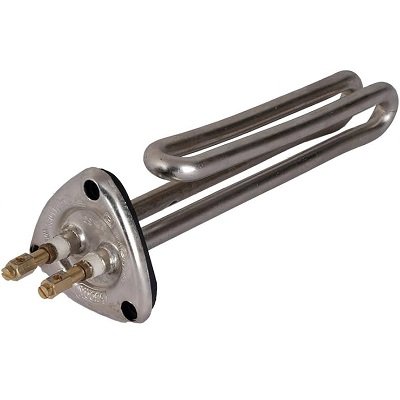
Geyser Heating Element
Spare Details
-
Spare Type:
Tubular Copper Elements, Incoloy-Sheathed Elements, Glass-Lined (Enamel Coated) Elements, Dry Heating Elements
-
Specification:
Wattage Rating: Storage Geysers: Typically, 1000W to 2000W (2 kW)/ Instant Geysers: Range from 3000W (3 kW) to 4500W, Material Grade: Copper/ Incoloy (800/840), or 14 inches, Fitting Type:Flange Type/ Screw-on (Threaded)
The Core of Comfort: A Comprehensive Guide to Geyser Heating Elements in India
In the chilling winters of North India, from Delhi to Chandigarh, or during the monsoon rains in Mumbai and Pune, a reliable water heater (geyser) is a household essential. While the outer tank and body are what we see, the real work is done by the Geyser Heating Element. This component is the primary engine that converts electrical energy into thermal energy, ensuring you have a steaming hot shower ready at the turn of a tap. In the India market, where water quality varies significantly from city to city, understanding the specifications of your heating element is the difference between a long-lasting appliance and frequent repair bills. We also deal in other home appliance spare parts like Chimneys, Hobs, RO systems, ACs, Fridges, Washing Machines, Microwaves, Dishwashers, Geysers, Coolers etc.
How the Heating Element Operates
The heating element works on the principle of Joule Heating. When an electric current passes through the high-resistance wire (usually Nichrome) inside the element, it generates heat. This wire is encased in a protective metal tube, with Magnesium Oxide (MgO) powder acting as an insulator to prevent the electric current from entering the water while still allowing heat to pass through. In the hard water regions of Rajasthan or Haryana, these elements face the toughest challenges, as mineral deposits (scale) tend to wrap around the tube, reducing its efficiency and lifespan.
Key Technical Specifications for the Indian Market
To ensure safety and performance under Indian electrical and water conditions, heating elements from brands like Bajaj, Havells, Racold, and Venus adhere to strict parameters:
-
Wattage Rating: * Storage Geysers: Typically, 2000W (2 kW).
-
Instant Geysers: Range from 3000W (3 kW) to 4500W (4.5 kW) for rapid heating.
-
-
Voltage: Standardized for the Indian grid at 230V AC, 50Hz.
-
Material Grade:
-
Copper: Highly common and efficient for soft water areas like Bengaluru.
-
Incoloy (800/840): A premium super-alloy of nickel, iron, and chromium. It is highly resistant to corrosion and "pitting" in hard water areas like Gurugram or Noida.
-
-
Fitting Type: * Flange Type: Circular plates with bolts, common in vertical geysers.
-
Screw-on (Threaded): Found in many instant or portable water heaters in India.
-
-
Insulation Resistance: Must be high to prevent leakage current, ensuring the geyser doesn't give an electric shock to the user in Mumbai or Chennai.
Types of Geyser Heating Elements Found in India
1. Tubular Copper Elements
The most widely used type in India. They offer excellent heat transfer and are cost-effective. However, they are prone to "scaling" if the water in your city has high TDS (Total Dissolved Solids).
2. Incoloy-Sheathed Elements
The "Heavy Duty" choice for Indian homes. Incoloy elements can withstand high temperatures and chemical attacks from hard water. Many premium geysers in Delhi-NCR now come with glass-lined Incoloy elements for extra protection.
3. Glass-Lined (Enamel Coated) Elements
These feature a protective coating over the metal tube. This coating prevents the direct contact of water with the metal, almost eliminating the risk of corrosion and making it the ideal choice for the harsh water conditions of Hyderabad or Ahmedabad.
4. Dry Heating Elements
A modern innovation where the element is placed inside a protective sleeve and never touches the water directly. This makes replacement very easy in Bengaluru or Mumbai homes, as you don't need to drain the tank to change the element.
Maintenance and Failure in Indian Conditions
In India, the number one killer of heating elements is Scaling. In cities with hard water, calcium and magnesium deposits form a thick white layer on the element. This acts as an insulator, causing the element to overheat and eventually burst.
Pro-Tip: If your geyser is taking too long to heat or making a "hissing" sound, it’s a sign of scale buildup. Installing a Water Softener or an Anode Rod (Sacrificial Anode) in your geyser in Noida or Gurugram can double the life of your heating element by attracting the corrosion to itself instead of the element.
Frequently Asked Questions (FAQ)
Which heating element is best for hard water in India? Incoloy 800 or 840 elements with a glass-lined coating are the best for hard water. They resist mineral buildup and corrosion much better than standard copper elements.
Why did my geyser element burn out so quickly? In many India households, "Dry Heating" is the cause—turning the geyser on without water in the tank. Additionally, heavy scale buildup in high-TDS areas like Delhi can cause the element to overheat and fail.
Can I replace a 2kW element with a 3kW element? It is not recommended. The wiring and thermostat of your geyser in Mumbai or Bengaluru are designed for a specific wattage. Increasing it can lead to overheating of the wires and potential fire hazards.
How do I know if my geyser element is faulty? If the water isn't heating, or if your home’s MCB (Miniature Circuit Breaker) trips every time you turn on the geyser, it indicates a short circuit in the heating element.
Is it expensive to replace a geyser element in India? No, it is a relatively affordable repair. Replacing the element is much cheaper than buying a new geyser. However, always ensure you hire a certified technician in your city to handle the electrical connections.
Would you like me to help you identify the correct heating element type for your specific geyser brand or suggest a hard-water solution for your home in India?
SparesMedia (store manager) –
For convection microwaves, the top element is key. Mine wasn’t browning anything; swapping out the 1200W grill element was straightforward and fixed the issue