
Helpline: 99713-10122
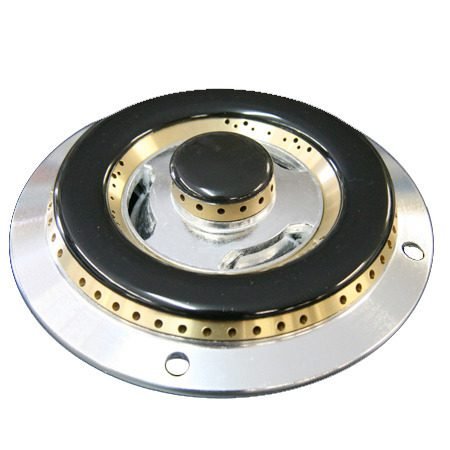
Hob Burner
Spare Details
-
Spare Type:
Stem-Type (Rod) Thermostat, Capillary Thermostat, Thermal Cut-Out (Safety Reset
-
Specification:
Material Composition: Forged Brass, Metal, Flame Type (Multi-Ring): Indian hobs often feature “Double Ring” or “Triple Ring” burners, Ignition System: Auto-Ignition, Manual Ignition.
The Heart of the Modern Indian Kitchen: A Deep Dive into Hob Burners
The traditional kitchen in India has undergone a significant transformation. The classic countertop gas stove is increasingly being replaced by the sleek, integrated "Built-in Hob." While the aesthetics of a glass-top hob are undeniably attractive, the true performance depends entirely on the Hob Burner. In a country where cooking involves high-heat sautéing, slow-simmering of dals, and the heavy use of cast-iron "Tawas," choosing the right burner specification is essential for culinary success. Whether you are designing a kitchen in Mumbai or upgrading a home in Bengaluru, understanding these components is vital. We also deal in other home appliance spare parts like Chimneys, Hobs, RO systems, ACs, Fridges, Washing Machines, Microwaves, Dishwashers, Geysers, Coolers etc.
The Anatomy of a High-Performance Hob Burner
A hob burner is more than just a source of fire; it is a precision-engineered device designed to mix air and gas in the perfect ratio for efficient combustion. In India, where Liquefied Petroleum Gas (LPG) is the primary fuel source, the burner must be capable of producing a stable blue flame that maximizes heat transfer while minimizing gas wastage. High-quality hobs from brands like Faber, Elica, and Glen are specifically tailored to meet the needs of Indian households.
Technical Specifications for the Indian Market
To ensure your hob can handle the rigors of Indian cooking, you must pay attention to these technical details:
-
Material Composition: Premium burners in India are typically made of Forged Brass. Brass has a higher melting point than aluminum and is far more resistant to the high temperatures required for Indian "tadka." It is also resistant to corrosion from spilled curries and salts.
-
Flame Type (Multi-Ring): Indian hobs often feature "Double Ring" or "Triple Ring" burners. These provide multiple concentric circles of flames, ensuring that the heat is distributed evenly across the bottom of large "Kadhais" or heavy pressure cookers.
-
Heat Output (kW): In the Indian market, burners are categorized by their heat intensity. A "High-Powered" burner typically offers 3.0 kW to 3.5 kW of energy, while "Medium" and "Small" burners range from 1.0 kW to 2.5 kW.
-
Ignition System: Most modern hobs in India feature Auto-Ignition (either battery-operated or plug-in). The specification to look for is "Integrated Ignition," where the spark is triggered simply by turning the knob.
-
Safety Features: High-end models include a Flame Failure Device (FFD). This is a critical safety specification that automatically cuts off the gas supply if the flame is blown out by a draft of air from a kitchen window in Delhi.
Types of Hob Burners Popular in India
Depending on your cooking style, you might find a combination of these burner types on a single hob:
1. Sabaf Burners
Originally an Italian design, Sabaf burners are widely used in premium hobs in India. They are known for their high energy efficiency and sleek, low-profile design. They are excellent for precise temperature control.
2. Triple Ring Burners
These are the workhorses of the Indian kitchen. Because they provide three circles of flame, they are perfect for heavy-bottomed vessels. If you frequently cook for large families in Hyderabad or Pune, a hob with at least two triple-ring burners is recommended.
3. Dual-Flame Burners
These allow you to control the inner and outer rings of the flame independently. This versatility is great for transitioning from a high-heat boil to a very low-heat simmer for delicate sauces or "Dum" cooking.
Maintenance for Longevity
The hard water and high humidity in many parts of India can lead to the clogging of burner "portholes." If you notice a yellow flame or uneven heating, it usually means the burner needs cleaning. In cities like Chennai or Kolkata, regular cleaning with a soft brush and warm soapy water prevents the buildup of carbon and grease, ensuring the burner stays efficient for years.
Frequently Asked Questions (FAQ)
Can I use a hob burner with Piped Natural Gas (PNG) in India? Most hobs in India come set for LPG. However, they can be converted for PNG (common in cities like Mumbai and Surat) by changing the "jets" or "nozzles." This should only be done by a certified technician.
Why are brass burners preferred over aluminum in Indian hobs? Brass is more durable and does not deform under the high, prolonged heat typical of Indian cooking. It also retains heat better, contributing to more consistent cooking results.
What should I do if the auto-ignition on my hob burner is clicking but not lighting? In the humid climate of India, moisture can sometimes get into the ignition electrode. Ensure the burner area is dry. Also, check if the burner cap is correctly seated on the base.
Are built-in hob burners difficult to clean? Modern hobs feature "sealed" burners that prevent food and liquids from leaking inside the appliance. This makes them much easier to wipe clean compared to traditional gas stoves.
Is a Flame Failure Device (FFD) necessary for hobs in India? While it adds to the cost, an FFD is highly recommended. It provides peace of mind by preventing gas leaks if a spill or a gust of wind extinguishes the flame while you are in another room.
Would you like me to help you compare the burner specifications of specific hob brands available in India like Faber or Elica?
SparesMedia (store manager) –
Perfect for small pans. The inner ring control is very precise, which is great for simmering delicate sauces without burning them