
Helpline: 99713-10122
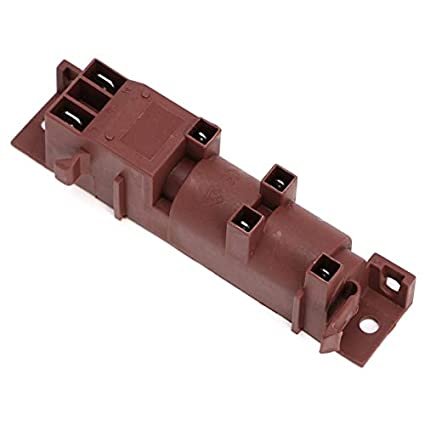
Hob Ignition Generator
Spare Details
-
Spare Type:
AC Pulse Ignition Generators, DC (Battery-Operated) Generators, Integrated Micro-Switch Generators
-
Specification:
Input Voltage: 220V to 240V AC & 1.5V DC pulse generator, Output Voltage: 10kV to 15kV, Number of Outlets: 2-point, 3-point, 4-point, or 5-point outlets.
The Spark of Innovation: A Comprehensive Guide to Hob Ignition Generators in India
In the modern India kitchen, the convenience of "Auto-Ignition" has transformed the cooking experience. Gone are the days of searching for a matchbox or a manual lighter; with a simple turn and press of a knob, the burner comes to life. This seamless process is powered by a critical electronic component hidden beneath the surface: the Hob Ignition Generator. Whether you are in a bustling apartment in Mumbai or a modular kitchen in Bengaluru, the ignition generator is the silent workhorse that ensures your gas hob is ready for action instantly and safely. We also deal in other home appliance spare parts like Chimneys, Hobs, RO systems, ACs, Fridges, Washing Machines, Microwaves, Dishwashers, Geysers, Coolers etc.
What is a Hob Ignition Generator?
The ignition generator, often called an "Electronic Igniter" or "Spark Box," is a pulse generator that converts electrical energy into a high-voltage spark. In India, where built-in hobs from brands like Faber, Elica, and Glen are standard, these generators are designed to deliver a precise electrical arc to the burner head. This spark ignites the gas-air mixture, providing a hands-free start to your cooking.
Key Technical Specifications for the Indian Market
To withstand the voltage fluctuations and high-humidity environments found in cities like Kolkata or Chennai, the ignition generator must meet rigorous specifications:
-
Input Voltage: Standard units in India operate on 220V to 240V AC. Some battery-operated hobs use a 1.5V DC pulse generator.
-
Output Voltage: To create a spark strong enough to jump the gap at the burner, the generator boosts the voltage to approximately 10kV to 15kV (10,000 to 15,000 Volts).
-
Frequency: The "pulse" rate is typically 1Hz to 3Hz, meaning it produces one to three sparks per second.
-
Number of Outlets: Depending on your hob size in India, generators come with 2-point, 3-point, 4-point, or 5-point outlets, one for each burner and often an extra for an oven or grill.
-
Temperature Rating: High-quality generators are housed in flame-retardant casings capable of withstanding ambient temperatures up to 120°C.
Types of Ignition Generators Found in India
1. AC Pulse Ignition Generators
The most common type for built-in hobs in India. These are wired directly to the kitchen's electrical points. They provide a continuous "tick-tick-tick" spark as long as the knob is pressed. They are highly reliable but require a constant power supply to function.
2. DC (Battery-Operated) Generators
Popular in standalone hobs or areas in India with frequent power outages. These run on a single D-size or AA battery. While they offer the advantage of working during a blackout, the spark intensity may decrease as the battery weakens.
3. Integrated Micro-Switch Generators
In premium hobs found in Delhi or Gurugram, the generator is linked to micro-switches placed under each knob. This allows for "One-Touch" ignition, where only the specific burner being turned on will produce a spark, reducing electrical wear and tear.
Maintenance and Reliability in the Indian Context
The biggest challenge for an ignition generator in an India kitchen is moisture and grease. During the monsoon season in Mumbai or Kochi, high humidity can cause "tracking," where electricity leaks from the wires instead of reaching the burner. Additionally, spilled milk or curry can clog the ignition needle (electrode).
If you hear the "clicking" sound but see no spark in your Pune or Hyderabad kitchen, the problem is likely a dirty electrode or a damp ignition cable. However, if there is no sound at all when the knob is pressed, the internal capacitor of the ignition generator has likely failed and requires replacement.
Frequently Asked Questions (FAQ)
Why is my hob making a clicking sound even when the knobs are off? This is a common issue in India caused by moisture trapped inside the switch or the generator. If water or liquid spills enter the knobs during cleaning, it can create a short circuit that keeps the generator active. Turning off the main power and letting it dry for 24 hours usually fixes this.
Is it safe to use a hob if the auto-ignition is broken? Yes. If the generator fails, you can still light your hob manually using a gas lighter. However, you should have the generator replaced by a professional in India to restore the safety and convenience features of your appliance.
Can a power surge damage the ignition generator? Yes. The delicate electronic circuits inside the generator are sensitive to voltage spikes. Using a spike guard or a stabilizer for your modular kitchen appliances is a good practice in India.
Are ignition generators interchangeable between brands like Elica and Faber? While many use a similar design, the number of outlets and the "mounting pin" configuration can differ. Always ensure the replacement part matches the number of burners and the voltage requirements of your specific model in India.
How long does a typical ignition generator last? Under normal usage in an India home, a high-quality AC pulse generator can last 5 to 8 years. Battery-operated versions have a similar lifespan, provided the batteries are changed regularly to prevent leakage.
Would you like me to help you find a compatible ignition generator or a certified technician for your hob brand in India?
SparesMedia (store manager) –
My hob stopped clicking entirely. This 4-point pulse generator was a simple swap-out. Now all burners light up on the first click again.