
Helpline: 99713-10122
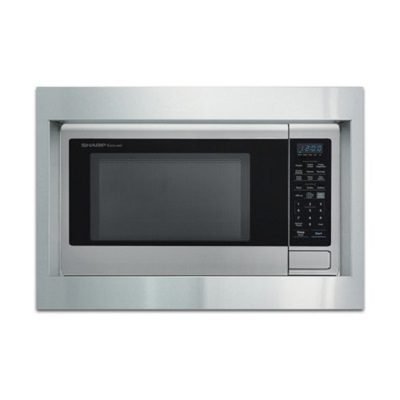
Microwave Door
Spare Details
-
Spare Type:
Side-Swing Doors, Drop-Down Doors, Push-Button Release Doors, Mirror-Finish Doors
-
Specification:
Glass Type: High strength tempered safety glass, Shielding Mesh: A fine-gauge metal screen with a hole diameter typically less than 1.5mm, Seal Type: “Choke Seal” (a specialized groove system), Frame Material: Heat-resistant, UV-stabilized polycarbonate or stainless steel, Latch Points:Dual or triple-hook systems
The Shield of Safety: A Comprehensive Guide to Microwave Doors in India
In the architectural design of a microwave oven, the Microwave Door is much more than a simple entryway. It is a highly engineered safety barrier designed to keep high-frequency electromagnetic waves contained while allowing the user to monitor the cooking process. In households across Mumbai, Delhi, and Bengaluru, the door is the most frequently handled part of the appliance. Whether you are checking on a rising cake in Noida or reheating "samosas" in Pune, the integrity of the door is what stands between a perfectly cooked meal and a hazardous environment. In cities like Chennai, Hyderabad, and Kolkata, understanding the complex specifications of this component is vital for long-term kitchen safety. We also deal in other home appliance spare parts like Chimneys, Hobs, RO systems, ACs, Fridges, Washing Machines, Microwaves, Dishwashers, Geysers, Coolers etc.
The Engineering Logic: The Faraday Cage Principle
The primary function of a microwave door is to complete the "Faraday Cage" of the oven cavity. In a typical kitchen in Gurugram or Hyderabad, the interior of the microwave is a metal box that reflects waves. However, the door must have a window. To prevent waves from escaping through the glass, every door in India features a "Microwave Shield" or "Choke." This is the perforated metal mesh you see on the inside of the glass. The holes in this mesh are precisely sized—smaller than the wavelength of the microwaves—allowing light to pass through so you can see your food in Mumbai, but blocking the radiation from exiting into your Delhi kitchen.
Key Technical Specifications for the Indian Market
To handle the repetitive use and the high temperatures of convection cooking, microwave doors from brands like Samsung, LG, IFB, and Panasonic follow these core specifications:
-
Glass Type: High strength tempered safety glass, designed to resist thermal shock and impact in Mumbai and Delhi.
-
Shielding Mesh: A fine-gauge metal screen with a hole diameter typically less than 1.5mm, ensuring maximum wave attenuation in your Bengaluru or Noida home.
-
Seal Type: Features a "Choke Seal" (a specialized groove system) that uses destructive interference to cancel out any waves attempting to leak through the gap between the door and the frame.
-
Latch Points: Dual or triple-hook systems that engage with internal safety switches, ensuring the machine in Chennai or Pune cannot start unless the door is perfectly flush.
-
Frame Material: Heat-resistant, UV-stabilized polycarbonate or stainless steel, essential for the hot climates of North India.
-
Transparency: Rated for high optical clarity to work with internal LED lighting in your Hyderabad or Kolkata kitchen.
Types of Microwave Doors Found in India
1. Side-Swing Doors
The most common type found in almost all standalone microwaves across India. These doors hinge on the left and swing open to the side. They are a staple in kitchens from Mumbai to Patna due to their ease of access.
2. Drop-Down Doors
Found in premium built-in and high-end convection models in cities like Bengaluru, Noida, and Gurugram. These open downward like a traditional oven door, providing a handy "landing spot" for heavy dishes in your Delhi or Mumbai kitchen.
3. Push-Button Release Doors
Common in "Solo" models across India. The door does not have a handle; instead, a physical button on the control panel triggers a spring-loaded latch to pop the door open.
4. Mirror-Finish Doors
A popular aesthetic choice in modern Indian homes in Chennai and Pune. These doors feature a reflective coating on the exterior glass that turns transparent only when the internal light is on during the cooking cycle.
Maintenance and Troubleshooting in Indian Conditions
In India, the biggest enemies of the microwave door are Grease Accumulation and Hinge Wear. In the spice-rich and oily cooking environments of Delhi, Mumbai, or Kolkata, food particles can get trapped in the door seal. If the seal does not close perfectly, the interlock switches may not engage, or worse, small amounts of energy could leak out in your Noida or Bengaluru home.
Pro-Tip: If you see "sparking" near the door or if the door feels "loose" in your Mumbai or Pune kitchen, stop using the appliance immediately. In India, never use abrasive scrubbers on the internal mesh, as scratching the protective coating can lead to rust. Clean the door glass and the "Choke" area with a soft cloth and mild soap to ensure a perfect seal in your Chennai or Hyderabad kitchen. If the glass is cracked or the mesh is visibly dented in your Delhi or Kolkata home, the entire door assembly must be replaced to ensure the unit remains radiation-safe.
Frequently Asked Questions (FAQ)
Is it dangerous if the internal mesh on the door is scratched? Yes. If the metal mesh is damaged or rusted in your Mumbai or Delhi home, it can no longer effectively block microwaves, leading to potential leakage.
Why is there steam trapped between the door glass layers? In many India households, this happens during high-moisture cooking. Most doors have small vents to let this out. If it doesn't clear, the door seal may be failing in your Bengaluru or Noida kitchen.
Can I replace just the glass of the microwave door? Usually, the glass is bonded to the frame and the shield mesh. In Chennai or Pune, it is safer and more common to replace the entire door assembly as a single unit.
Why does my microwave keep running when I open the door? This is a serious safety failure. It means the door latches or the internal interlock switches in your Mumbai or Kolkata appliance have failed. Unplug it immediately.
Where can I buy a replacement microwave door in India? They are available at authorized service centers or specialized spare parts hubs like Lamington Road in Mumbai, Chandni Chowk in Delhi, and Lohar Chawl.
Would you like me to help you find the correct door model number for your appliance or guide you on how to check for microwave leakage using a simple home test in your India home?
SparesMedia (store manager) –
The Microwave door cracked down at all. Now it needs to replacing the faulty one restored the new door and allowed the oven to open.