
Helpline: 99713-10122
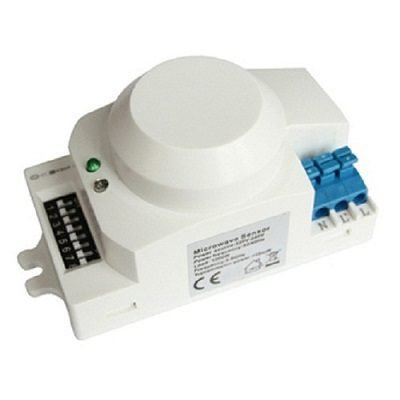
Microwave Sensor
Spare Details
-
Spare Type:
Humidity (Steam) Sensors, Infrared (IR) Temperature Sensors, Weight Sensors, Gas/Smell Sensors
-
Specification:
Sensor Type: Humidity (Steam) sensors and Infrared (IR) temperature sensors, Operating Voltage: 5V to 12V DC, Sensitivity Range: 1% to 5%, Temperature Detection (IR Models): ‘-20°C to 250°C’, Material: non-conductive polymers
The Intelligent Kitchen: A Comprehensive Guide to Microwave Sensors in India
In the modern evolution of the Indian kitchen, the focus has shifted from simple heating to intelligent cooking. At the center of this transformation is the Microwave Sensor, a sophisticated component that allows appliances to "sense" the state of the food. Whether you are steaming delicate vegetables in Bengaluru, reheating "biryani" in Hyderabad, or popping corn in Mumbai, sensors ensure that the appliance adjusts its power and timing automatically. In cities like Delhi, Noida, and Pune, where professionals seek efficiency without compromising on food quality, understanding the specifications of microwave sensors is essential for a high-tech culinary experience. We also deal in other home appliance spare parts like Chimneys, Hobs, RO systems, ACs, Fridges, Washing Machines, Microwaves, Dishwashers, Geysers, Coolers etc.
The Engineering Role: From Manual Timing to Smart Sensing
The primary function of a microwave sensor is to eliminate guesswork. In a traditional oven in Chennai or Kolkata, the user must manually input the time and power level. However, a sensor-equipped microwave uses real-time feedback to monitor the cooking process. Most commonly, these sensors detect the steam or humidity released as food heats up. As the water molecules in your meal in Noida or Gurugram begin to evaporate, the sensor sends a signal to the microprocessor to calculate the remaining cook time. This prevents the common problem of "rubbery" overcooked chicken or "cold-center" reheating often experienced in India with manual units.
Key Technical Specifications for the Indian Market
To handle the steam-heavy cooking styles of India and the environmental variables of the region, sensors from brands like Samsung, LG, Panasonic, and Whirlpool adhere to these core parameters:
-
Sensor Type: Humidity (Steam) sensors and Infrared (IR) temperature sensors are the most prevalent in India.
-
Operating Voltage: Calibrated for the Indian grid at 5V to 12V DC (low voltage provided by the control board).
-
Sensitivity Range: Designed to detect humidity changes as small as 1% to 5%, ensuring precision in Mumbai's humid or Delhi's dry air.
-
Temperature Detection (IR Models): Capable of reading surface temperatures from -20°C to 250°C, ideal for deep-freezing defrosting in Bengaluru.
-
Response Time: Typically less than 100 milliseconds, allowing for instantaneous power adjustments in your Pune or Hyderabad kitchen.
-
Material: Encased in heat-resistant, non-conductive polymers that do not interfere with the microwave's internal electromagnetic field.
Types of Microwave Sensors Found in India
1. Humidity (Steam) Sensors
These are the workhorses found in most "Smart" microwaves across India. They are located near the exhaust vent. In your Mumbai or Chennai kitchen, as your food releases steam, the sensor measures the moisture level in the air and tells the machine when the food is perfectly steamed.
2. Infrared (IR) Temperature Sensors
Found in premium, high-end models in cities like Bengaluru and Delhi. Unlike steam sensors, these "look" at the food directly to measure its surface temperature. They are exceptionally accurate for melting chocolate or softening butter in Noida and Gurugram homes.
3. Weight Sensors
Integrated into the turntable assembly of some advanced models in Mumbai and Pune. By measuring the mass of the food, the sensor helps the PCB determine the initial energy output required for large "tandoori" platters or heavy cakes in North India.
4. Gas/Smell Sensors
Specialized sensors found in some industrial or ultra-premium domestic units in Hyderabad. These can detect specific gases released when food begins to burn, acting as a secondary safety layer for households in India.
Maintenance and Troubleshooting in Indian Conditions
In India, the biggest enemies of the microwave sensor are Oil Splatters and Clogged Vents. In the aromatic and spice-rich cooking environments of Delhi, Mumbai, or Kolkata, oil particles can travel with steam and coat the sensor's surface. A coated sensor becomes "blind," leading to overcooked food or "Sensor Error" codes on your display in Bengaluru or Noida.
Pro-Tip: If your "Auto-Cook" or "Sensor Reheat" feature is failing in your Mumbai or Pune home, check the exhaust area. Ensure the vents are clean and not blocked by cabinets or decorative items. In India, it is highly recommended to cover your food with a microwave-safe lid that has a small vent; this directs the steam toward the sensor while preventing oil from splashing onto the delicate components in your Chennai or Hyderabad kitchen. If the sensor is faulty, the machine will often display error codes like "SE" or "E-24." Because these are calibrated electronic parts, they should only be replaced by trained technicians in your Delhi or Bengaluru locality.
Frequently Asked Questions (FAQ)
Why does my microwave stop after only 2 minutes on "Sensor Cook"? In many India households, this happens because the sensor detected a rapid rise in humidity, indicating the food is already hot. If the food is still cold, your sensor might be dirty or faulty in your Mumbai or Delhi kitchen.
Can I use the sensor feature for any type of food? Sensor cooking works best for foods that release steam, like vegetables, rice, or pasta in Bengaluru or Noida. It is less effective for dry foods like bread or very small portions in your Chennai or Pune home.
Does a sensor microwave save electricity? Yes. By stopping the machine exactly when the food is done, it prevents wasted energy from unnecessary cooking time in Mumbai, Delhi, and other Indian cities.
Is the sensor located inside the cooking cavity? Usually, the sensor is located behind the internal wall near the vent. This protects it from direct contact with food in your Hyderabad or Kolkata appliance.
Where can I buy a replacement sensor in India? It is best to purchase from authorized service centers of brands like LG, Samsung, or IFB. Genuine electronic spares are also available in hubs like Lamington Road in Mumbai and Chandni Chowk in Delhi.
Would you like me to help you decode a specific sensor error code on your microwave or suggest the best "Auto-Cook" settings for Indian dishes in your home?
SparesMedia (store manager) –
Sensor of my microwave got damaged. I called a technician he changed it with genuine spare.