
Helpline: 99713-10122
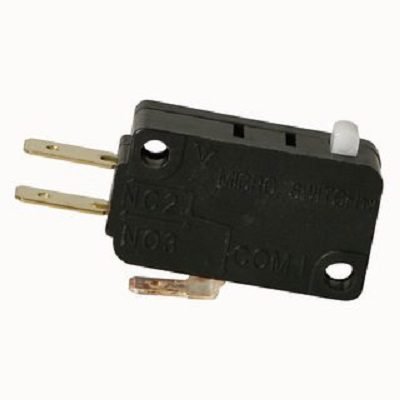
Microwave Switch
Spare Details
-
Spare Type:
Primary Interlock Switches, Secondary Interlock Switches, Monitor (Safety) Switches, Humidity/Sensor Switches
-
Specification:
Electrical Rating: 16A to 21A at 250V AC, Contact Configuration: Normally Open (NO)/ Normally Closed (NC), Cycle Life: over 100,000 operations, Material: 2-hole or 4-hole, Terminal Type: 4.8mm or 6.3mm (1/4 inch) male spade terminals
The Interlock Guardian: A Comprehensive Guide to Microwave Switches in India
In the intricate safety system of a modern Indian kitchen, the Microwave Switch—specifically the door interlock switch—is the most critical line of defense. While the magnetron generates the energy to cook, the switches ensure that this energy remains strictly confined within the metal cavity. In households across Mumbai, Delhi, and Bengaluru, these small micro-switches perform a vital "handshake" with the door latch. If even one switch fails to click into place, the appliance will refuse to start, preventing harmful radiation leakage. In cities like Noida, Chennai, and Pune, understanding these components is essential for maintaining a safe and functional kitchen environment. We also deal in other home appliance spare parts like Chimneys, Hobs, RO systems, ACs, Fridges, Washing Machines, Microwaves, Dishwashers, Geysers, Coolers etc.
The Engineering Logic: The Primary, Secondary, and Monitor System
The primary function of microwave switches is to create a multi-layered safety circuit. In a standard microwave found in Hyderabad or Kolkata, there are usually three distinct switches working in tandem. When you close the door in your Mumbai or Gurugram apartment, the door hooks press against these switches simultaneously. The "Primary" and "Secondary" switches complete the high-voltage circuit, while the "Monitor" switch acts as a fail-safe. If the primary switches fail and stay "closed" when the door is opened in your Delhi or Chennai home, the monitor switch intentionally creates a short circuit to blow the main fuse, instantly killing the power for your safety.
Key Technical Specifications for the Indian Market
To handle the frequent "open-close" cycles of Indian families and the electrical standards of the region, microwave switches from brands like Samsung, LG, IFB, and Panasonic adhere to these core parameters:
-
Electrical Rating: Standardized for India at 16A to 21A at 250V AC. This high amperage rating is necessary to handle the initial "inrush" current of the transformer.
-
Actuation Force: Calibrated to respond to the specific pressure of the door hook, typically measured in grams (e.g., 150g to 300g).
-
Contact Configuration: * Normally Open (NO): Completes the circuit only when the door is closed (Primary/Secondary).
-
Normally Closed (NC): Breaks the circuit when the door is closed (Monitor).
-
-
Terminal Type: Features 4.8mm or 6.3mm (1/4 inch) male spade terminals for secure wiring in Bengaluru or Noida appliances.
-
Cycle Life: Rated for over 100,000 operations, ensuring longevity even with heavy daily use in Mumbai or Delhi.
-
Material: Constructed from high-temperature, flame-retardant plastic to prevent melting during long convection cycles in North India.
Types of Microwave Switches Found in India
1. Primary Interlock Switches
These are the main gatekeepers found in every unit in India. They are "Normally Open" and must be depressed by the door hook for the microwave to receive any power in your Mumbai or Pune kitchen.
2. Secondary Interlock Switches
Working in parallel with the primary switch, this provides a second layer of verification. It ensures that even if one switch is mechanically stuck, the machine in your Delhi or Bengaluru home won't start unless the door is fully latched.
3. Monitor (Safety) Switches
This is the "suicide switch" found in Noida and Chennai models. It is wired to the main fuse. Its only job is to blow the fuse if it detects that the other switches have failed, providing an absolute safety guarantee for Indian households.
4. Humidity/Sensor Switches
Found in premium "Smart" microwaves in cities like Bengaluru and Gurugram. These are specialized micro-switches that may also trigger based on the movement of the steam vent or the internal fan assembly.
Maintenance and Troubleshooting in Indian Conditions
In India, the biggest enemies of microwave switches are Oil Vapor and Rough Handling. In the oily cooking environments of Delhi, Mumbai, or Kolkata, grease can seep into the switch housing. This makes the internal contacts "sticky," leading to a situation where the machine might run with the door open—an extremely dangerous scenario.
Pro-Tip: If your microwave starts but immediately blows a fuse in your Noida or Bengaluru home, or if it refuses to start even when the door is closed tight, a faulty switch is likely the culprit. In India, you should never "slam" the door of your microwave; doing so can break the delicate plastic mounting brackets that hold the switches in place in your Chennai or Pune kitchen. If a switch feels "mushy" or doesn't make a sharp "click" sound, it needs immediate replacement. Because these are safety-critical components, always replace them with genuine parts that match the original Amperage (A) and Voltage (V) ratings in your Mumbai or Hyderabad home.
Frequently Asked Questions (FAQ)
Why does my microwave fuse blow every time I open the door? In many India households, this happens because the "Monitor" switch is out of sync with the primary switches. If the door opens before the primary switch can cut the power, the monitor switch blows the fuse as a safety measure in your Delhi or Mumbai home.
Can I spray WD-40 inside a sticky switch? No. Using flammable lubricants inside a high-voltage appliance like a microwave in Bengaluru or Noida is a major fire hazard. If a switch is sticky, it should be replaced, not lubricated.
Are all microwave micro-switches the same? No. While they look similar, they have different internal logic (Normally Open vs Normally Closed). Putting an NC switch where an NO switch belongs in your Pune or Chennai appliance will cause the machine to malfunction or blow the fuse instantly.
Why is my microwave light on but the machine won't start? This is a common symptom in Noida or Kolkata when the primary interlock switch has failed. The machine "thinks" the door is still open and prevents the magnetron from engaging.
Where can I buy replacement microwave switches in India? They are available at authorized service centers or electronic spare parts markets like Lamington Road in Mumbai, Chandni Chowk in Delhi, and Lohar Chawl.
Would you like me to help you identify which specific switch is faulty based on your microwave's behavior or suggest a reliable technician in your India locality?

SparesMedia (store manager) –
The oven wouldn’t start at all. There are often 2 or 3 switches; replacing the faulty one restored the safety circuit and allowed the oven to power on.