
Helpline: 99713-10122
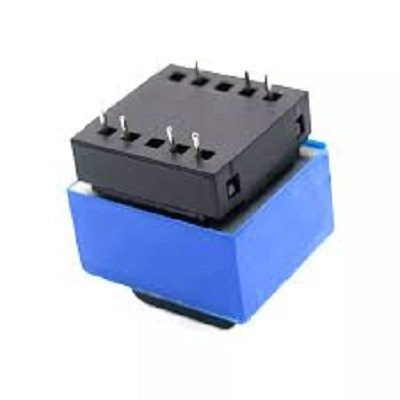
Microwave Transformer
Spare Details
-
Spare Type:
Conventional Shunt Transformers, Inverter-Based Transformers, High-Capacity Commercial Transformers
-
Specification:
Primary Voltage: 230V AC, Secondary High-Voltage Output: 2000V to 2800V, Power Rating: 700W to 1100W, Core Material:Laminated silicon steel
The Power Hub: A Comprehensive Guide to Microwave Transformers in India
In the heart of every microwave oven sits a heavy, humming component that is responsible for creating the intense energy required to cook food in minutes. The Microwave Transformer, often referred to as a High-Voltage Transformer (HVT), is the powerhouse of the appliance. In Indian households, from the compact kitchens of Mumbai to the spacious homes in Bengaluru, this component works silently to convert standard domestic electricity into the high-voltage power needed by the magnetron. Understanding its specifications is vital for both appliance longevity and safety in cities like Delhi, Chennai, and Kolkata. We also deal in other home appliance spare parts like Chimneys, Hobs, RO systems, ACs, Fridges, Washing Machines, Microwaves, Dishwashers, Geysers, Coolers etc.
The Engineering Role: Stepping Up the Power
The primary function of a microwave transformer is to "step up" the voltage. Standard electrical outlets in India provide approximately 230V. However, a magnetron—the part that actually generates the microwaves—requires nearly 2000V to 3000V to operate. The transformer uses electromagnetic induction to bridge this massive gap. In a typical kitchen in Noida or Pune, when you press the "Start" button, the transformer immediately begins converting low-voltage, high-current electricity into the high-voltage, low-current energy that allows the appliance to function.
Key Technical Specifications for the Indian Market
To handle the tropical climate and the voltage fluctuations common in India, microwave transformers from brands like Samsung, LG, Panasonic, and IFB are built to these core specifications:
-
Primary Voltage: Standardized for the Indian grid at 230V AC with a frequency of 50Hz.
-
Secondary High-Voltage Output: Typically ranges from 2000V to 2800V, depending on the wattage of the oven in your Mumbai or Delhi home.
-
Filament Voltage Output: A separate, low-voltage winding (usually around 3V) specifically designed to heat the magnetron's cathode.
-
Power Rating: Measured in Watts (W), usually ranging from 700W to 1100W for domestic models found in Bengaluru and Hyderabad.
-
Core Material: Laminated silicon steel, designed to minimize energy loss and heat generation during the long cooking cycles used in North India.
-
Insulation Class: Class H or Class R, capable of withstanding internal temperatures of up to 180 or 220 degrees Celsius.
Types of Microwave Transformers Found in India
1. Conventional Shunt Transformers
The most common type found in budget and mid-range microwaves across India. These are heavy, iron-core transformers that are incredibly durable. They are the workhorses found in most kitchens in Kolkata and Chennai, known for their reliability even in humid conditions.
2. Inverter-Based Transformers
Found in premium "Inverter" microwaves in cities like Bengaluru and Mumbai. These are much smaller and lighter than conventional ones. Instead of a constant heavy pulse of power, they allow for "linear" power control, making them ideal for delicate cooking tasks in your Noida or Pune kitchen.
3. High-Capacity Commercial Transformers
Designed for heavy-duty ovens used in the catering sectors of Delhi and Gurugram. These transformers are built with thicker copper windings to handle 24/7 operation without overheating or losing efficiency.
Maintenance and Troubleshooting in Indian Conditions
In India, the primary threats to a microwave transformer are Moisture and Voltage Surges. In coastal cities like Mumbai, Chennai, and Kochi, the salty, humid air can lead to "arcing" between the high-voltage windings. Furthermore, sudden spikes in the power grid in Delhi or Kolkata can cause the internal insulation to break down.
Pro-Tip: If your microwave makes a very loud, deep "buzzing" sound but fails to heat the food in your Mumbai or Bengaluru home, the transformer may have a short circuit. Another sign of failure is the smell of burnt ozone or smoke coming from the back of the unit. Because these components store a lethal amount of electricity even after being unplugged, you should never attempt to touch a transformer in your Noida or Hyderabad home without properly discharging the high-voltage capacitor. In India, it is always recommended to use a Voltage Stabilizer to protect this expensive component from the erratic power supply often found in North India.
Frequently Asked Questions (FAQ)
Why is the microwave transformer so heavy? The weight comes from the large amount of iron and copper required to create the magnetic field necessary to jump from 230V to over 2000V in your Delhi or Mumbai home.
Can a transformer be repaired? No. Microwave transformers in India are epoxy-sealed or welded units. If the internal copper windings are burnt or shorted, the entire unit must be replaced for safety in your Bengaluru or Chennai kitchen.
Is it normal for the transformer to get hot? Yes. Converting such high levels of power generates significant heat. This is why microwaves in Noida and Pune are equipped with a cooling fan that blows air directly over the transformer's fins.
Can I use a transformer from a 700W microwave in a 900W model? No. Using an underpowered transformer in your Mumbai or Kolkata home will cause it to overheat and fail almost immediately, potentially damaging the magnetron as well.
Where can I buy a replacement transformer in India? They are available at authorized service centers or major electronic spare parts hubs like Lamington Road in Mumbai, Chandni Chowk in Delhi, and Lohar Chawl.
Would you like me to help you identify the correct power rating for your microwave model or guide you on how to select a suitable voltage stabilizer for your kitchen in India?
SparesMedia (store manager) –
The old transformer started humming extremely loudly. This replacement part is silent and restored full power to the unit