
Helpline: 99713-10122
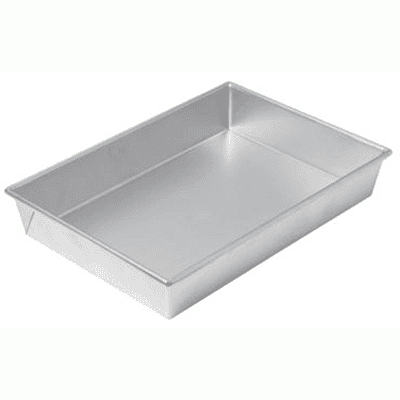
Microwave Tray
Spare Details
-
Spare Type:
Door-Linked Safety Cables, Solenoid-Actuated Brake Cables, Manual Tensioning Cables
-
Specification:
Core Material: High-tensile stainless steel or galvanized steel wire, Outer Housing: Reinforced with heat-resistant polymers, Tensile Load Rating: 100N to 250N, Length Precision:30cm to 60cm
The Precision Tensioner: A Comprehensive Guide to Microwave Tray Brake Cables in India
In the specialized world of high-capacity commercial microwave ovens and industrial heating systems, the Microwave Tray Brake Cable is a vital mechanical component that ensures operational safety and precision. While a standard domestic microwave in a Mumbai apartment uses a simple motor to turn a glass plate, industrial-grade microwaves—used in the catering sectors of Delhi or the food processing units of Bengaluru—often utilize heavy-duty rotating trays or conveyor systems. The brake cable is the mechanical link that allows these systems to stop instantly when the timer ends or the door is opened, preventing "inertia drift" and ensuring that the tray aligns perfectly for the user. We also deal in other home appliance spare parts like Chimneys, Hobs, RO systems, ACs, Fridges, Washing Machines, Microwaves, Dishwashers, Geysers, Coolers etc.
The Critical Role of the Brake Cable in Rotating Systems
The primary function of a microwave tray brake cable is to manage the kinetic energy of the rotating assembly. In heavy-duty commercial units found in Hyderabad or Chennai, the rotating tray carries significant weight. When the heating cycle concludes, the motor stops, but momentum would normally cause the tray to keep spinning. The brake cable is connected to a spring-loaded braking shoe. When the tension is released by the actuator in your Noida or Pune kitchen, the cable pulls the brake against the drive hub, bringing the tray to a dead stop. This ensures that the food container is always positioned exactly where the operator expects it, avoiding spills and burns.
Key Technical Specifications for the Indian Market
To handle the high-temperature environment inside a microwave and the repetitive stress of a busy Indian commercial kitchen, these cables follow strict specifications:
-
Core Material: High-tensile stainless steel or galvanized steel wire. This prevents snapping under the sudden tension required for emergency braking in Mumbai or Kolkata.
-
Outer Housing: Reinforced with heat-resistant polymers (typically PTFE or high-grade Nylon) that can withstand temperatures up to 150°C near the base of the microwave cavity in a Delhi or Chennai restaurant.
-
Tensile Load Rating: Typically rated to withstand a pulling force of 100N to 250N, ensuring the cable does not "stretch" over time in a high-volume Bengaluru facility.
-
End Fittings: Equipped with heat-treated "S-hooks" or "Ball-ends" that lock into the brake lever and the door-interlock mechanism common in India-spec commercial units.
-
Length Precision: Available in exact lengths ranging from 30cm to 60cm, as even a 5mm difference can lead to a brake that is either too tight or too loose in your Gurugram or Hyderabad kitchen.
Types of Microwave Tray Brake Cables Found in India
1. Door-Linked Safety Cables
The most common type found in professional ovens across India. This cable is physically linked to the door hinge. The moment the door is cracked open in your Mumbai or Pune restaurant, the cable pulls the brake, stopping the tray before the user can reach inside.
2. Solenoid-Actuated Brake Cables
Found in high-end "Smart" commercial ovens in cities like Bengaluru and Noida. Instead of a mechanical link to the door, a solenoid pulls the cable electronically. These offer the smoothest stopping action and are preferred for delicate pastry or liquid heating.
3. Manual Tensioning Cables
Common in older industrial microwave systems in Ahmedabad or Kolkata. These feature a barrel adjuster, allowing a technician to manually set how "hard" the brake grabs based on the typical weight of the items being heated.
Maintenance and Troubleshooting in Indian Conditions
In India, the primary enemies of the tray brake cable are Grease Accumulation and Thermal Expansion. In the high-oil cooking environments of Delhi or Chennai, airborne grease can settle on the cable, causing it to become "sticky" inside its housing.
Pro-Tip: If you notice that the tray in your commercial microwave continues to "glide" for a few seconds after opening the door in your Mumbai or Bengaluru kitchen, the brake cable has likely stretched or the spring has weakened. In India, a "dragging" brake can also cause the motor to overheat. Regularly check the cable for any signs of fraying at the "Stress Points" near the connectors. To maintain the cable in a Noida or Hyderabad facility, wipe the exposed portions with a degreaser every month. If the cable snaps, the tray will spin freely, which can damage the internal drive gears over time.
Frequently Asked Questions (FAQ)
Why is my microwave tray making a "clicking" sound when it stops? In many India commercial units, this is a sign that the brake cable is slightly loose. The brake shoe is "bouncing" against the hub instead of grabbing it firmly in your Delhi or Mumbai kitchen.
Can I use a bicycle brake cable as a replacement? No. Standard bicycle cables in Bengaluru or Chennai do not have the heat-rated outer housing required for the internal environment of a microwave. Using a standard cable can lead to the housing melting and the cable seizing.
How do I adjust the tension on the tray brake? Most commercial models in India have a small threaded adjuster where the cable meets the brake assembly. Tightening this nut will increase the braking force in your Noida or Pune facility.
What happens if the brake cable is too tight? If the cable is over-tensioned in your Mumbai or Kolkata kitchen, the brake will stay partially "on" during the heating cycle. This puts immense strain on the motor and will eventually cause it to burn out.
Where can I buy a replacement brake cable in India? They are best sourced from authorized commercial kitchen equipment suppliers or specialized spare parts markets like S.P. Road in Bengaluru, Lamington Road in Mumbai, and industrial hubs in Delhi.
Would you like me to help you identify the correct cable length for your specific oven brand or provide a guide on how to safely degrease a sticky brake assembly in your India kitchen?

SparesMedia (store manager) –
Smashed my original plate. This universal 12.5-inch glass tray fits perfectly and is much thicker than the original