
Helpline: 99713-10122
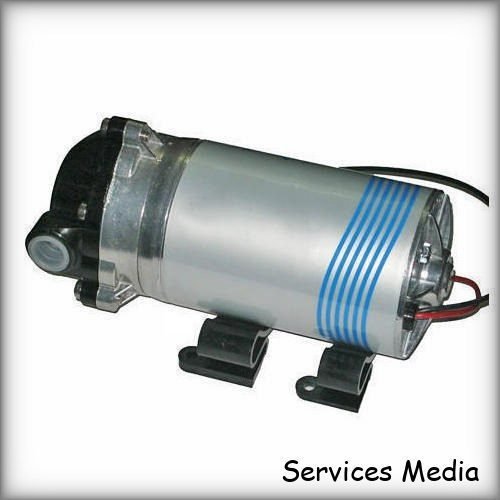
RO Pump
Spare Details
-
Spare Type:
Standard Diaphragm Pumps, Self-Priming Booster Pumps, Heavy-Duty (High-GPD) Pumps, Silent/Low-Vibration Pumps
-
Specification:
Flow Rate (GPD): 75 GPD, 100 GPD, and 150 GPD. A 100 GPD, Working Pressure: 70 to 80 PSI, Operating Voltage: 24V DC or 36V DC, Current Draw: 1.2 Amps to 2.5 Amps, Material Composition: Motor Windings: Pure Copper windings
The Pressure Engine: A Comprehensive Guide to RO Pumps in India
In the geography of water purification in India, the RO Pump (also known as the Booster Pump) is arguably the most critical mechanical component. While the filters remove sediment and the membrane handles molecular purification, it is the pump that provides the "Force" necessary for the Reverse Osmosis process to occur. In cities like Delhi, Noida, and Gurugram, where groundwater is often heavy with dissolved solids, or in high-rise apartments in Mumbai and Bengaluru where tap pressure can be inconsistent, a high-performance RO pump is the only way to ensure a steady flow of pure water. We also deal in other home appliance spare parts like Chimneys, Hobs, RO systems, ACs, Fridges, Washing Machines, Microwaves, Dishwashers, Geysers, Coolers etc.
The Role of the Pump in Reverse Osmosis
The primary function of an RO pump is to increase the water pressure entering the RO membrane housing. Reverse Osmosis requires the water to be pushed through a semi-permeable membrane at a pressure that exceeds the natural "osmotic pressure." In most India households, the raw water pressure is insufficient for this. The booster pump takes the incoming water and ramps up the pressure to approximately 60 to 100 PSI. This force allows water molecules to pass through the microscopic pores of the membrane while leaving salts, heavy metals, and arsenic behind in the reject stream.
Key Technical Specifications for the Indian Market
To handle the challenging water conditions found in India, RO pumps from brands like Kent, Aquaguard, Grand Forest, and BNQS are designed with these core specifications:
-
Flow Rate (GPD): Rated in Gallons Per Day. Common residential ratings in India are 75 GPD, 100 GPD, and 150 GPD. A 100 GPD pump is ideal for large families in Hyderabad or Pune.
-
Operating Voltage: Standardized at 24V DC or 36V DC for safety and compatibility with the RO SMPS.
-
Working Pressure: Capable of maintaining a constant pressure of 70 to 80 PSI even under heavy load.
-
Current Draw: Typically ranges from 1.2 Amps to 2.5 Amps. High-capacity pumps in Gurugram or Ahmedabad require higher amperage to maintain pressure.
-
Material Composition:
-
Pump Head: Made of high-density, food-grade plastic.
-
Motor Windings: Pure Copper windings are the gold standard in India for durability and heat resistance compared to aluminum.
-
-
Suction Capacity: Many modern India-spec pumps are "Self-Priming," meaning they can suck water even if the source tank is located below the purifier.
Types of RO Pumps Found in India
1. Standard Diaphragm Pumps
The most widely used type in India. It uses a flexible diaphragm that moves back and forth to create pressure. These are quiet, efficient, and have a long lifespan, making them perfect for kitchens in Mumbai or Bengaluru.
2. Self-Priming Booster Pumps
Essential for rural areas or independent houses in India where the water storage tank is at ground level. These pumps can "lift" water from a lower elevation, ensuring the RO system doesn't run dry.
3. Heavy-Duty (High-GPD) Pumps
Designed for high-TDS zones in Rajasthan or Noida. These pumps are larger and provide the massive pressure required to push water through membranes that are struggling with heavy mineral scale.
4. Silent/Low-Vibration Pumps
A premium choice for modern apartments in Chennai or Hyderabad. These pumps feature advanced motor damping to ensure that the purification process is almost noiseless.
Maintenance and Troubleshooting in Indian Conditions
In India, the biggest enemies of the RO pump are Air Locks and Dry Running. If the water supply is cut off in your Delhi or Kolkata home while the pump is running, the internal valves can overheat and fail. Furthermore, if the pre-filters are choked with mud, the pump has to work twice as hard, leading to a burnt-out motor.
Pro-Tip: If you hear a loud "vibrating" or "grinding" noise coming from your purifier, it is a sign that your pump’s bearings are failing or the pump head has developed a leak. In India, it is often possible to replace just the "Pump Head" rather than the whole motor, saving you a significant amount in repair costs.
Frequently Asked Questions (FAQ)
Which pump is better for my RO: 75 GPD or 100 GPD? In most India cities, if your input water TDS is above 1000, a 100 GPD pump is better. It provides more pressure, which helps the membrane work more efficiently and reduces wastewater.
Why is my RO pump not starting? This could be due to a failed SMPS, a triggered High-Pressure Switch, or a "fused" motor. In Mumbai or Delhi homes, check the electrical connections first before assuming the pump has failed.
Can I use a 24V pump with a 36V SMPS?Never. Using a higher voltage SMPS will cause the pump motor to burn out in a matter of minutes. Always match the voltage specifications of the pump and the power supply in your India home.
How long does an RO pump last in India? With regular filter changes, a high-quality copper-winding pump in Bengaluru or Chennai can easily last 5 to 7 years. However, in hard water areas like Noida, the lifespan may be shorter if the pump head gets scaled.
Where can I buy a genuine copper-winding RO pump? You can find them at authorized brand centers or in specialized markets like Lamington Road in Mumbai, Chandni Chowk in Delhi, or through reputable online spare parts retailers.
Would you like me to help you select the correct GPD rating for your specific water TDS level or guide you on how to safely replace a noisy pump in your India home?
SparesMedia (store manager) –
High-quality RO pump spare part. Pressure is stable and noise-free.