
Helpline: 99713-10122

RO UV Housing
Spare Details
-
Spare Type:
Stainless Steel (SS) Chambers, Plastic UV Barrels, Integrated Filter-cum-UV Housings, High-Flow Commercial Housings
-
Specification:
Material Composition: Stainless Steel (SS 304/316)/ Food-Grade Aluminum/ UV-Stabilized Plastic, Pressure Rating: between 10 PSI and 50 PSI, Port Size: 1/4 inch or 3/8-inch, Length:6 inches to 12 inches
The Protective Core: A Comprehensive Guide to RO UV Housing in India
In the intricate world of water purification in India, the RO UV Housing is the critical vessel that facilitates the final stage of sterilization. While the UV lamp provides the germicidal energy, the housing—or chamber—is the engineered container that ensures water is exposed to that light with maximum efficiency. In a country where water quality fluctuates wildly between the monsoons in Mumbai and the dry summers of Rajasthan, the integrity of the UV housing is what ensures that viruses and bacteria are effectively neutralized before they reach your glass. We also deal in other home appliance spare parts like Chimneys, Hobs, RO systems, ACs, Fridges, Washing Machines, Microwaves, Dishwashers, Geysers, Coolers etc.
The Role of Housing in Disinfection Efficiency
The primary function of the RO UV housing is to create a controlled environment for ultraviolet exposure. It holds the UV lamp securely, often encased in a protective quartz sleeve, and directs the water flow in a way that maximizes contact time. In cities like Delhi or Bengaluru, where municipal water can sometimes carry high microbial loads, the housing’s design ensures there are no "shadow zones" where bacteria could hide from the light. By utilizing reflective internal surfaces, the housing bounces UV rays back into the water, significantly increasing the sterilization power without increasing electricity consumption.
Key Technical Specifications for the Indian Market
To withstand the high-pressure plumbing of modern Indian apartments and the corrosive nature of varied water sources, UV housings from brands like Kent, Aquaguard, and Livpure adhere to these standards:
-
Material Composition:
-
Stainless Steel (SS 304/316): The gold standard in India. It is highly reflective, rust-proof, and does not degrade under constant UV exposure.
-
Food-Grade Aluminum: Often used in budget-friendly models in Pune or Hyderabad for its lightweight and decent reflective properties.
-
UV-Stabilized Plastic: Found in some internal assemblies; it must be specially treated to ensure the plastic doesn't become brittle or leach chemicals when exposed to UV-C rays.
-
-
Pressure Rating: Designed to handle pressures between 10 PSI and 50 PSI, essential for homes in Mumbai or Noida that use booster pumps.
-
Port Size: Standardized at 1/4 inch or 3/8 inch push-fit or threaded connectors to match universal Indian RO pipe sizes.
-
Length: Typically ranges from 6 inches to 12 inches, depending on the wattage of the lamp it is designed to hold (usually 6W or 11W).
-
Seal Integrity: Equipped with high-grade silicone O-rings to prevent leakage, a common concern in the humid climates of Chennai and Kolkata.
Types of RO UV Housings Found in India
1. Stainless Steel (SS) Chambers
These are the most popular and durable housings found in India. The polished internal surface of the steel acts as a mirror, reflecting UV-C light multiple times through the water. This is the preferred choice for health-conscious families in Gurugram and Chandigarh.
2. Plastic UV Barrels
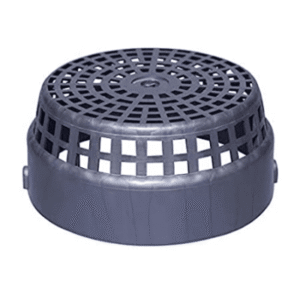
Common in older or entry-level RO models. While cost-effective, these housings must be replaced if they show signs of "chalking" or discoloration, as UV rays eventually break down standard plastic polymers.
3. Integrated Filter-cum-UV Housings
A space-saving design often seen in compact, under-the-sink purifiers in modern Bengaluru kitchens. This housing combines a carbon block or sediment filter with a central UV core, providing dual-stage treatment in a single vessel.
4. High-Flow Commercial Housings
Large-diameter stainless steel housings used in offices or schools in Delhi and Mumbai. These are designed to accommodate 16W to 40W lamps and handle a much higher volume of water per minute.
Maintenance and Troubleshooting in Indian Conditions
In India, the biggest challenge for UV housing is Mineral Scaling. In hard water areas like Noida, Ahmedabad, or Jaipur, calcium and magnesium can form a white crust inside the housing. This scale absorbs UV light, preventing it from reaching the water.
Pro-Tip: Every 12 months, during your regular RO service, ask the technician to inspect the inside of the UV housing. If it is a stainless steel chamber, it should be wiped clean of any slime or scale. For plastic housings, check for any hairline cracks that could lead to a catastrophic leak in your Chennai or Mumbai apartment.
Frequently Asked Questions (FAQ)
Why should I choose a stainless steel UV housing over a plastic one? In the India context, stainless steel is far superior. It reflects UV light better, increasing the "kill rate" of germs, and it will never leak due to UV-induced material degradation, unlike plastic.
Does the housing itself need to be replaced? A high-quality stainless steel housing in a Delhi or Mumbai home can last for a decade. However, the silicone O-rings and the connectors should be replaced if they show signs of wear or leakage.
Can a UV housing burst due to high water pressure? If you are using a booster pump in a high-rise in Bengaluru or Noida, ensure your housing is rated for at least 40 PSI. Cheap, non-branded plastic housings have been known to crack under sudden pressure spikes.
How do I know if the housing is leaking internally? If you see water droplets inside the quartz sleeve (where the lamp is), the seals of the housing have failed. This is dangerous as it can short-circuit the UV lamp in your India home.
Are the connectors on the housing universal? Most housings in India use the standard 1/4 inch elbow connectors. However, some premium brands use proprietary fittings, so it is best to check before purchasing a replacement.
Would you like me to help you find a compatible stainless steel UV housing for your purifier or guide you on how to check the internal seals of your unit in India?
SparesMedia (store manager) –
Always opt for SS 304 grade. Plastic UV housings can degrade over years of constant UVC exposure, becoming brittle and eventually leaking