
Helpline: 99713-10122
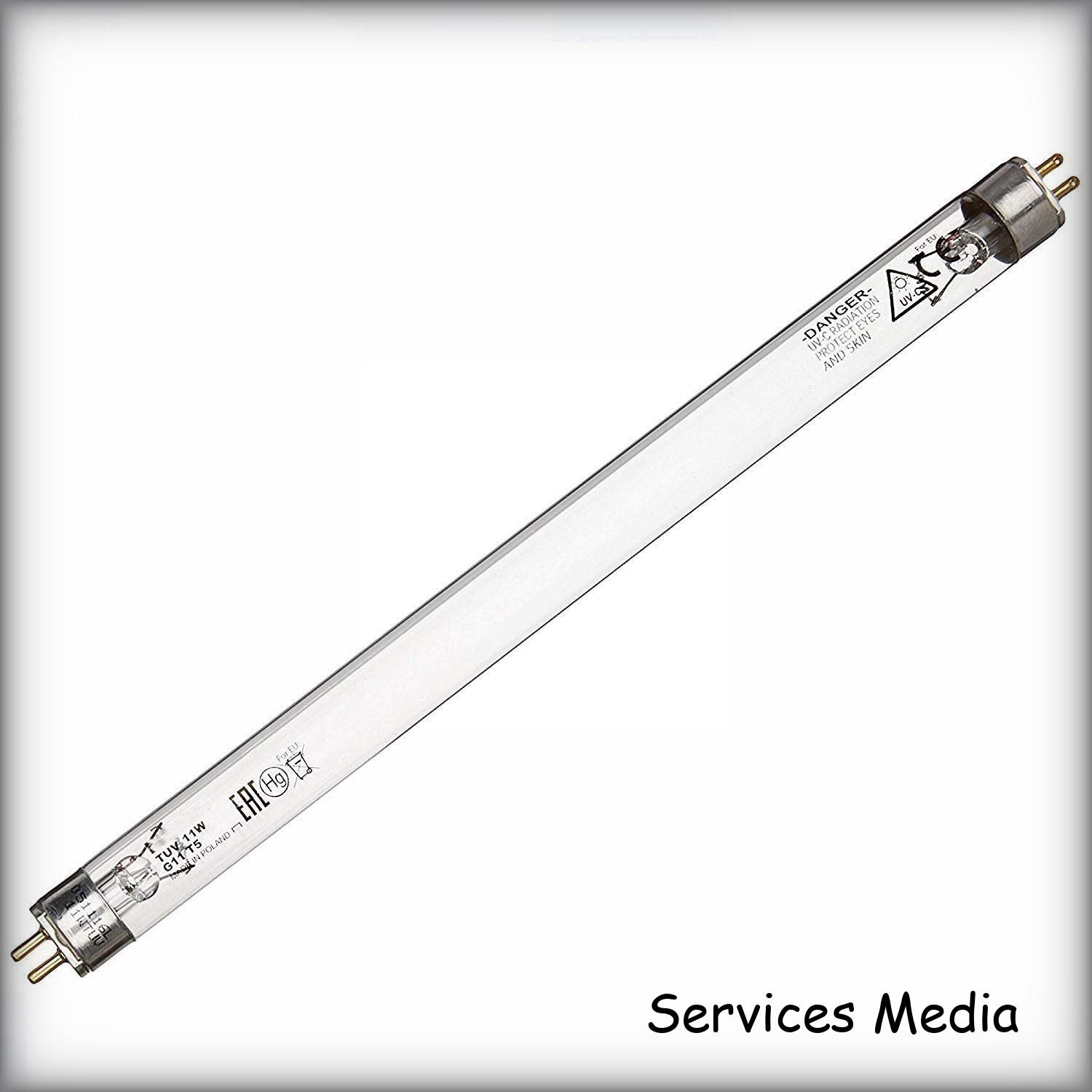
RO UV Light
Spare Details
-
Spare Type:
Cold Cathode UV Lamps, LED UV-C Modules, Submersible UV Lamps, Inline UV Chambers
-
Specification:
Wavelength: 254 nm (UV-C spectrum), Wattage Rating: Standard Residential:4W, 6W, or 11W/ High-Flow Systems: Up to 16W or 25W, Operating Voltage: 12V to 24V DC, Lamp Life: 5,000 to 9,000 hours, Glass Type: Quartz Glass
The Core of Pure Water: Understanding RO Membranes in the Indian Context
In a country like India, where water quality varies significantly from the Himalayan foothills to the coastal plains of Chennai, the Reverse Osmosis (RO) membrane is arguably the most critical component in a household. Whether you are dealing with high Total Dissolved Solids (TDS) in Delhi or groundwater contaminants in Punjab, the RO membrane acts as the final barrier, ensuring that the water you drink is free from heavy metals, salts, and pathogens. We also deal in other home appliance spare parts like Chimneys, Hobs, RO systems, ACs, Fridges, Washing Machines, Microwaves, Dishwashers, Geysers, Coolers etc.
What is an RO Membrane?
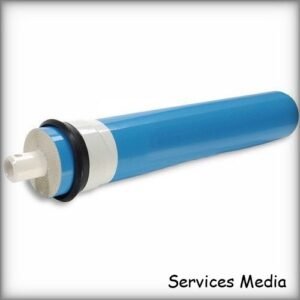
An RO membrane is a semi-permeable film made from thin-film composite (TFC) material. It works on the principle of reverse osmosis, where water is pushed through the microscopic pores of the membrane under high pressure. These pores are approximately 0.0001 microns in size—small enough to allow water molecules to pass through while rejecting up to 99% of dissolved salts, bacteria, and viruses.
Key Technical Specifications for India
To choose the right membrane for your location in India, you must understand the following specifications:
-
Flow Rate (GPD): GPD stands for Gallons Per Day. In India, most domestic RO systems use membranes rated at 75 GPD, 80 GPD, or 100 GPD. A higher GPD rating means the system can fill the storage tank faster.
-
TDS Rejection Rate: This indicates the efficiency of the membrane. High-quality membranes used in India typically offer a rejection rate of 95% to 98%. If your input water in Gurugram has a TDS of 2000 ppm, a good membrane will bring it down to below 100 ppm.
-
Maximum Operating Pressure: Most domestic membranes are designed to operate between 40 psi and 100 psi. In areas with low pipe pressure, an external pump is used to reach these specifications.
-
Recovery Rate: This is the ratio of purified water to the waste water produced. Standard membranes in India usually have a recovery rate of 25% to 35%, meaning a significant portion of water is rejected to carry away the concentrated salts.
Types of RO Membranes Available in India
Depending on the source of water, different types of membranes are utilized across the India market:
1. Thin-Film Composite (TFC) Membranes
These are the most common membranes found in brands like Kent, Aquaguard, and Pureit. They are highly effective at removing a wide range of impurities but are sensitive to chlorine. This is why a "Carbon Pre-filter" is always used in Indian RO systems to remove chlorine before the water reaches the TFC membrane.
2. High-TDS Membranes
In regions like Rajasthan or parts of Gujarat where groundwater is extremely salty (TDS exceeding 2500 ppm), specialized High-TDS membranes are used. These are built with more robust layers to withstand the osmotic pressure of highly concentrated saline water.
3. Nano-Filtration (NF) Membranes
Often used in areas of India where the input water TDS is already relatively low (below 500 ppm). NF membranes have slightly larger pores than RO membranes, allowing some essential minerals to pass through while still removing harmful bacteria and heavy metals.
Maintenance and Longevity in the Indian Climate
The lifespan of an RO membrane in India typically ranges from 12 to 24 months, but this depends heavily on the "Pre-treatment" stage. In cities like Bengaluru, where "Hard Water" is prevalent, calcium and magnesium can scale the membrane surface, leading to "Choking." Using a high-quality sediment filter and an antiscalant ball can significantly extend the life of your membrane.
Frequently Asked Questions (FAQ)
What is the best TDS level for drinking water in India? According to the Bureau of Indian Standards (BIS), the desirable limit for TDS is 500 mg/L (ppm), though water up to 2000 mg/L is considered permissible if no other source is available. Most RO systems aim for a post-purification TDS of 50 to 150 ppm.
How do I know when my RO membrane needs replacement? If you notice a significant drop in the flow rate of purified water, a change in the taste, or if the TDS of the output water starts rising close to the input water levels, it is time for a replacement.
Can I wash or clean an RO membrane? While some industrial membranes in India are cleaned using chemical "CIP" (Clean-In-Place) systems, domestic membranes are generally "disposable." Attempting to wash them at home usually damages the delicate TFC layers.
Are all RO membranes the same size? Most domestic RO housings in India follow a standard size (usually 1812 or 2012 size codes). However, always verify if your system uses "Inline" membranes or "Housing" membranes before purchasing.
Why is there so much waste water in Indian RO systems? The waste water (reject water) is necessary to wash away the salts from the membrane surface. Without this flow, the membrane would choke instantly. You can recycle this water in your India home for mopping floors or watering plants.
SparesMedia (store manager) –
A genuine Philips or Osram bulb provides the specific 254nm wavelength needed for sterilization. If the blue glow is visible through the housing but the water tastes “off,” the bulb might be lit but no longer emitting effective UVC rays