
Helpline: 99713-10122
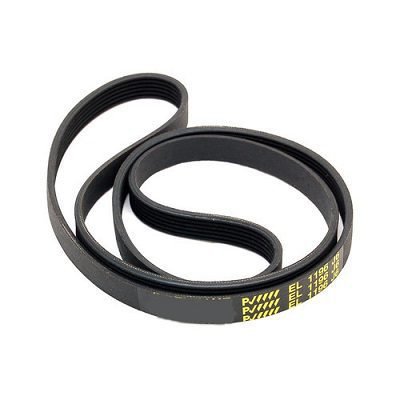
Washing Machine Belt
Spare Details
-
Spare Type:
V-Type Drive Belts, Ribbed (Poly-V) Belts, Toothed or Timing Belts, Adjustable Link Belts
-
Specification:
Material Composition: Neoprene Rubber/ Polyester Cord Reinforcement, Belt Profile/Section: V-Belts/ Ribbed/Poly-V Belts, Temperature Resistance: 10°C to 80°C
The Vital Link: A Comprehensive Guide to Washing Machine Belts in India
In the mechanical anatomy of a washing machine, the Washing Machine Belt is the essential transmission component that translates motor power into drum rotation. While modern "Direct Drive" machines exist, the vast majority of semi-automatic and top-load appliances in India rely on this sturdy loop of rubber to function. From the busy laundry rooms of Mumbai to the independent households in Bengaluru, the belt is the workhorse that ensures your clothes are agitated during the wash and spun dry during the final cycle. Understanding the specifications of this part is crucial for maintaining appliance efficiency in the diverse climatic conditions of Delhi, Chennai, and beyond. We also deal in other home appliance spare parts like Chimneys, Hobs, RO systems, ACs, Fridges, Washing Machines, Microwaves, Dishwashers, Geysers, Coolers etc.
The Mechanical Logic of the Drive Belt
The primary function of a washing machine belt is to connect the motor pulley to the drum (or gearbox) pulley. In a country like India, where laundry loads can range from heavy denim in Noida to lightweight cotton sarees in Kolkata, the belt must provide enough friction to turn a heavy, water-logged drum without slipping. It acts as a mechanical bridge, allowing the motor to sit safely away from the water-carrying tub while providing the necessary torque for agitation. A well-tensioned belt ensures that your machine in Pune or Hyderabad operates quietly and uses electricity efficiently.
Key Technical Specifications for the Indian Market
To survive the high RPMs and the heat generated during long wash cycles in India, drive belts from brands like LG, Samsung, Whirlpool, and Godrej follow these core parameters:
-
Material Composition:
-
Neoprene Rubber: The industry standard in India for its excellent resistance to oil, heat, and aging.
-
Polyester Cord Reinforcement: Internal strings that prevent the belt from stretching excessively under the heavy loads common in Mumbai households.
-
-
Belt Profile/Section:
-
V-Belts: Shaped like a "V" to wedge into the pulley; standard for semi-automatic machines in Delhi.
-
Ribbed/Poly-V Belts: Feature multiple small longitudinal grooves for superior grip in high-speed top-loaders in Bengaluru.
-
-
Dimensions (Length and Width): Measured in inches or millimeters. A common India specification might look like O-480 or M-19, where the letter denotes the cross-section and the number denotes the circumference.
-
Temperature Resistance: Capable of operating in environments ranging from 10°C to 80°C, essential for the varying seasons in North India.
-
Flexibility: Engineered to withstand millions of flex cycles without cracking or fraying in the humid air of Chennai.
Types of Washing Machine Belts Found in India
1. V-Type Drive Belts
These are the most common belts found in semi-automatic washing machines across India. They are thick, durable, and relatively easy to replace. Because they rely on the "wedging" action, they are great for the high-torque requirements of heavy wash loads in Kolkata or Patna.
2. Ribbed (Poly-V) Belts
Common in fully automatic top-load machines in cities like Mumbai and Gurugram. These belts are thinner and wider, featuring several small ridges. They provide a much larger contact area with the pulley, which is necessary for the high-speed spin cycles required to dry clothes during the Indian monsoon.
3. Toothed or Timing Belts
Though rarer in domestic washers, some specialized appliances in Bengaluru and Pune use toothed belts to ensure precise synchronization between the motor and the agitator. These prevent any "slip" whatsoever.
4. Adjustable Link Belts
A favorite of local technicians in Delhi or Chennai for emergency repairs. These consist of individual links that can be added or removed to create a custom length, though they are usually a temporary fix until a genuine part is found.
Maintenance and Troubleshooting in Indian Conditions
In India, the biggest enemies of the washing machine belt are Overloading and Humidity. In cities like Mumbai or Kochi, the damp air can cause the rubber to become slightly "tacky," while in the dry heat of Rajasthan, it can become brittle and crack.
Pro-Tip: If you smell burning rubber or hear a loud "slipping" screech during the spin cycle in your Noida or Bengaluru home, your belt is likely loose or worn out. To check, remove the back panel of your machine. If you see black rubber dust at the bottom of the cabinet in your Delhi or Chennai laundry area, the belt is disintegrating. To extend its life, never overload the machine; the extra weight forces the motor to turn, but the belt may slip against the pulley, generating intense heat that "cooks" the rubber.
Frequently Asked Questions (FAQ)
Why is my washing machine motor running but the drum isn't spinning? In many India homes, this is the classic sign of a snapped or fallen belt. Without the belt, the motor has no way to transfer power to the drum in your Mumbai or Delhi apartment.
How do I find the correct belt size for my machine? Look at the outer surface of your old belt. In India, you will usually see a code printed on it, such as M-21 or 5EPJ1225. This code tells the shopkeeper in Bengaluru or Noida exactly what size and type you need.
Can I tighten a loose belt? In most semi-automatic machines in Chennai or Kolkata, you can loosen the motor bolts and slide the motor slightly to increase tension. However, in most automatic machines, the tension is fixed or managed by an idler pulley.
How long does a washing machine belt last in India? With moderate use, a high-quality neoprene belt can last 5 to 8 years. However, frequent overloading in a large family in Mumbai or Hyderabad can reduce this to 2 or 3 years.
Where can I buy a replacement belt in India? They are widely available at local electrical spare parts shops or major hubs like Lamington Road in Mumbai, Chandni Chowk in Delhi, and Lohar Chawl.
Would you like me to help you decode the specific size printed on your washing machine belt or guide you on how to adjust the motor tension in your India home?
1 review for Washing Machine Belt
Washing Machine Spare Parts
Brake Cable, Water Feed Valve, Drum, Suspension, Spin Lid, Spin Cap, Speed Reducer, Shock Absorber, Sensor, Rubber Seal, Pulsator, P-Shaft, PCB, Motor Pulley, Motor Brake Plate, Lint Filter, Idler Pulley, Hose, Hook, Gearbox, Front Load, Element, Belt, Drain Motor, Door Lock, Compressor, Clutch, Brake Disk, Timer,
SparesMedia (store manager) –
Bought a standard V-belt for my semi-automatic. It’s cheap, effective, and brought my spin tub back to life after the old one snapped