
Helpline: 99713-10122
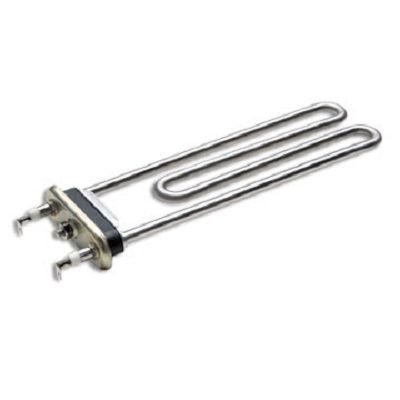
Washing Machine Element
Spare Details
-
Spare Type:
Standard Metallic Elements, Ceramic-Coated Elements, Top-Load Internal Heaters, Dual-Element Systems
-
Specification:
Wattage Rating: 1800W to 2100W, Operating Voltage: 20V to 240V AC, Material Composition: Incoloy or Stainless Steel/ Ceramic Coating, Length and Shape: Straight, “U” shaped, or “W” shaped
The Core of Hygiene: A Comprehensive Guide to Washing Machine Elements in India
In the modern Indian laundry landscape, the "Hot Wash" has transitioned from a luxury to a necessity. At the heart of this feature is the Washing Machine Element (also known as the heater). Whether you are trying to sanitize baby clothes in Delhi, remove tough oil stains in Mumbai, or tackle the winter grime in Chandigarh, the heating element is what provides the thermal power required for a hygienic wash. In a country where front-load and top-load machines from brands like IFB, Samsung, Bosch, and LG are common, understanding this component is key to maintaining the efficiency and safety of your appliance. We also deal in other home appliance spare parts like Chimneys, Hobs, RO systems, ACs, Fridges, Washing Machines, Microwaves, Dishwashers, Geysers, Coolers etc.
The Critical Role of the Heating Element in Fabric Care
The primary function of a washing machine element is to raise the water temperature to a specific degree set by the user or the machine's program. In India, where tap water can be quite cold during the winter months in Noida or Gurugram, the element ensures that detergents dissolve completely and enzymes are activated. Higher temperatures, such as 60°C or 90°C, are essential for killing bacteria and allergens, a feature highly valued by families in Bengaluru and Hyderabad. Without a functional element, your "Steam Wash" or "Allergy Care" cycles in Chennai would be ineffective, leaving clothes less than perfectly clean.
Key Technical Specifications for the Indian Market
To handle the electrical fluctuations and the hard water challenges often found in India, heating elements are engineered with these core parameters:
-
Wattage Rating: Domestic elements in India typically range from 1800W to 2100W. High-capacity machines in Mumbai or Delhi may require higher wattage for faster heating.
-
Operating Voltage: Standardized for the Indian grid at 220V to 240V AC.
-
Material Composition:
-
Incoloy or Stainless Steel: These materials are preferred in India for their high resistance to corrosion and "dry firing."
-
Ceramic Coating: Found in premium Samsung or LG models in Bengaluru, this coating prevents calcium buildup, extending the element's life in hard water areas like Noida.
-
-
Integrated Thermistor (NTC): Most modern elements in India come with a built-in sensor hole to monitor water temperature in real-time.
-
Safety Features: Equipped with internal thermal fuses that "trip" if the element overheats, preventing fire hazards in your Pune or Kolkata home.
-
Length and Shape: Varies by model—straight, "U" shaped, or "W" shaped—to fit the specific contours of the outer tub.
Types of Washing Machine Elements Found in India
1. Standard Metallic Elements
These are the workhorses found in most front-load machines across India. Made of high-grade stainless steel, they are reliable but prone to scaling if the water in your Delhi or Chennai home is hard.
2. Ceramic-Coated Elements
Increasingly popular in cities like Bengaluru and Gurugram. The ceramic layer provides a smooth surface that makes it difficult for lime-scale to stick. This ensures faster heating and lower electricity bills for Indian households over the long term.
3. Top-Load Internal Heaters
While less common than in front-loaders, many new top-load models in Mumbai and Noida now feature internal heaters. These are often shorter and more compact to fit beneath the pulsator or along the side of the outer tub.
4. Dual-Element Systems
Found in high-end industrial or extra-large capacity washers in Hyderabad. These use two smaller elements to heat large volumes of water rapidly, ensuring the wash cycle remains short even in the coldest North Indian winters.
Maintenance and Troubleshooting in Indian Conditions
In India, the biggest enemy of the heating element is Scaling. In cities like Noida, Delhi, and Ahmedabad, the high mineral content in the water settles on the hot element, forming a thick white crust. This acts as an insulator, forcing the element to work harder and eventually causing it to burn out.
Pro-Tip: If your washing machine takes an unusually long time to complete a cycle or if the glass door of your front-loader doesn't feel warm during a hot wash in your Mumbai or Bengaluru home, your element might be failing. To prevent this, use a dedicated Descaling Powder once a month in your Chennai or Noida laundry room. This removes the calcium buildup and keeps the element running at peak efficiency. If the element fails completely, it can cause the PCB to display an "HE" or "TE" error code; in India, it is always safer to have a professional replace the element to ensure a watertight seal and proper grounding.
Frequently Asked Questions (FAQ)
Why is my washing machine tripping the MCB (circuit breaker)? In many India homes, a faulty heating element is the most common cause of a short circuit. If the internal insulation of the element breaks, it leaks current into the water, causing the safety switch in your Delhi or Mumbai apartment to trip.
Can I use a 2100W element in a machine that had an 1800W one? It is not recommended. The machine's wiring and the PCB relays in your Bengaluru or Noida home are calibrated for a specific wattage. Overloading them can lead to melted wires or a burnt control board.
Does hard water affect the electricity bill? Yes. A scaled-up element in Chennai or Delhi takes much longer to heat water, consuming more units of electricity. Regular descaling is the best way to keep your bills low in India.
How long does a washing machine heater last in India? In soft-water areas like Kolkata or Kochi, they can last over 10 years. However, in hard-water zones like Gurugram or Noida, an unprotected element may fail in 3 to 5 years if not descaled.
Where can I buy a replacement heating element in India? You should always prioritize authorized service centers. For out-of-warranty machines, reliable spares are available at hubs like Lamington Road in Mumbai and Chandni Chowk in Delhi.
Would you like me to help you identify the correct wattage for your specific machine model or suggest a high-quality descaling agent for your home in India?
1 review for Washing Machine Element
Washing Machine Spare Parts
Brake Cable, Water Feed Valve, Drum, Suspension, Spin Lid, Spin Cap, Speed Reducer, Shock Absorber, Sensor, Rubber Seal, Pulsator, P-Shaft, PCB, Motor Pulley, Motor Brake Plate, Lint Filter, Idler Pulley, Hose, Hook, Gearbox, Front Load, Element, Belt, Drain Motor, Door Lock, Compressor, Clutch, Brake Disk, Timer,
SparesMedia (store manager) –
My front-loader wasn’t heating the water for the ‘Sanitize’ cycle. The 2000W heating element replacement was straightforward and restored full functionality