
Helpline: 99713-10122
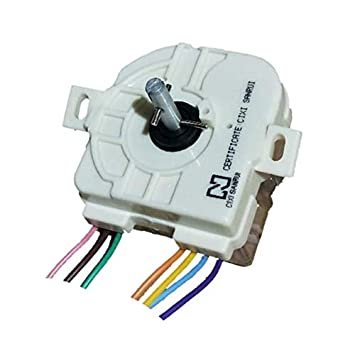
Washing Machine Timer
Spare Details
-
Spare Type:
Electromechanical Timers, Electronic/Digital Timers
-
Specification:
Voltage & Frequency: 220V-240V at 50Hz, Number of Pins (Terminals)- 5 to 21, Cycle Duration: For semi-automatic machines, timers are often rated by their maximum wash time (e.g., 15-minute wash and 5-minute spin), Shaft Type: “D-shape,” “Square,” or “Splined” designs
The Heart of the Cycle: Understanding Washing Machine Timers and Specifications
The washing machine is a staple of modern convenience, and at the core of its operation lies the Washing Machine Timer. While newer digital interfaces may look like touchscreens, the fundamental logic of timing the wash, rinse, and spin cycles remains a critical engineering feat. Whether you are repairing a unit in Mumbai or upgrading a laundry suite in London, understanding how these timers function is essential for maintaining appliance longevity.
What is a Washing Machine Timer?
A washing machine timer is the "brain" of the appliance. It is a control device that sequences the various operations of the machine. It tells the water valve when to open, the motor when to agitate, and the drain pump when to evacuate the suds. Without a functioning timer, even the most powerful motor becomes useless, as the machine would not know when to transition between stages.
Common Types of Timers
Timers generally fall into two categories, depending on the age and technology of the washing machine:
-
Electromechanical Timers: Found predominantly in older top-loading machines and semi-automatic models. These consist of a small synchronous motor that turns a series of plastic cams. As the cams rotate, they open and close electrical contacts. This is why you hear a distinct "clicking" sound as you turn the dial on a semi-automatic machine in Delhi.
-
Electronic/Digital Timers: These are found in modern fully automatic front-load and top-load machines. Instead of moving parts, they use a Printed Circuit Board (PCB) with microprocessors. These timers are far more precise and allow for "fuzzy logic," where the machine adjusts the time based on the weight of the clothes or the turbidity of the water.
Technical Specifications to Consider
When looking for a replacement or studying the performance of a timer, several technical specifications must be noted:
-
Voltage and Frequency: Most timers are rated for specific power grids, such as 220V-240V at 50Hz for India and Europe, or 110V at 60Hz for North America. Using a timer with the wrong frequency will cause the cycles to run too fast or too slow.
-
Number of Pins (Terminals): The "wiring harness" connects to the timer via pins. A standard timer might have anything from 5 to 21 pins. Each pin corresponds to a specific function like "Spin," "Wash," or "Drain."
-
Cycle Duration: For semi-automatic machines, timers are often rated by their maximum wash time (e.g., 15-minute wash and 5-minute spin).
-
Shaft Type: The plastic or metal rod that the knob attaches to is the shaft. These come in "D-shape," "Square," or "Splined" designs. An incorrect shaft type means your control knob simply won't fit.
-
Mounting Pitch: This refers to the distance between the screw holes used to secure the timer to the control panel.
Signs of a Failing Timer
A timer rarely fails all at once. Usually, the machine might get "stuck" in a specific cycle, or it might skip the rinse phase entirely. In electromechanical models, the internal contacts can become charred or "pitted" over time due to electrical arcing, leading to a loss of continuity. In electronic versions, a power surge can fry the capacitor or the microcontroller on the board.
Frequently Asked Questions (FAQ)
Why does my washing machine timer skip certain cycles? This usually indicates that the internal contacts for that specific cycle are worn out or dirty. In digital machines, it could be a sensor error (like a faulty lid switch) telling the timer it isn't safe to proceed to the next step.
Can I use a 6-wire timer in place of a 7-wire timer? No. Each wire represents a specific electrical path for a component like the pump or motor. Missing even one connection can lead to a machine that fills with water but refuses to drain or spin.
Why is the timer dial on my semi-automatic machine hard to turn? The internal gears or cams may be stripped or clogged with dust and moisture. Forcing it can break the plastic shaft. It is often a sign that the timer assembly needs replacement.
Is it cheaper to repair a timer or replace it? Electromechanical timers are rarely repairable because they are "factory sealed." Replacement is usually the only reliable option. For digital PCBs, a skilled technician can sometimes replace a single blown capacitor, which is cheaper than a full board replacement.
Does the timer control the water temperature? Indirectly, yes. The timer sends a signal to the heating element or the hot water inlet valve. If the timer is faulty, your machine might only wash with cold water regardless of the setting.
1 review for Washing Machine Timer
Washing Machine Spare Parts
Brake Cable, Water Feed Valve, Drum, Suspension, Spin Lid, Spin Cap, Speed Reducer, Shock Absorber, Sensor, Rubber Seal, Pulsator, P-Shaft, PCB, Motor Pulley, Motor Brake Plate, Lint Filter, Idler Pulley, Hose, Hook, Gearbox, Front Load, Element, Belt, Drain Motor, Door Lock, Compressor, Clutch, Brake Disk, Timer,
SparesMedia (store manager) –
The mechanical timer dial stopped moving. This manual replacement part got my old machine working again without needing a costly digital conversion.